

How This Collection Is Organised
Growth hormone release is controlled by two separate signals from the brain. The first is growth hormone-releasing hormone (GHRH). The second is ghrelin, which acts on the GH secretagogue receptor. Once released, GH drives production of IGF-1, the main growth factor in muscle tissue. Separately, myostatin acts as a brake on muscle growth. Every compound here targets one point in that chain.
| Compound | Pathway | Type |
|---|---|---|
| Sermorelin acetate | GHRH receptor | GHRH(1-29) fragment |
| CJC-1295 without DAC | GHRH receptor | Modified GRF(1-29) |
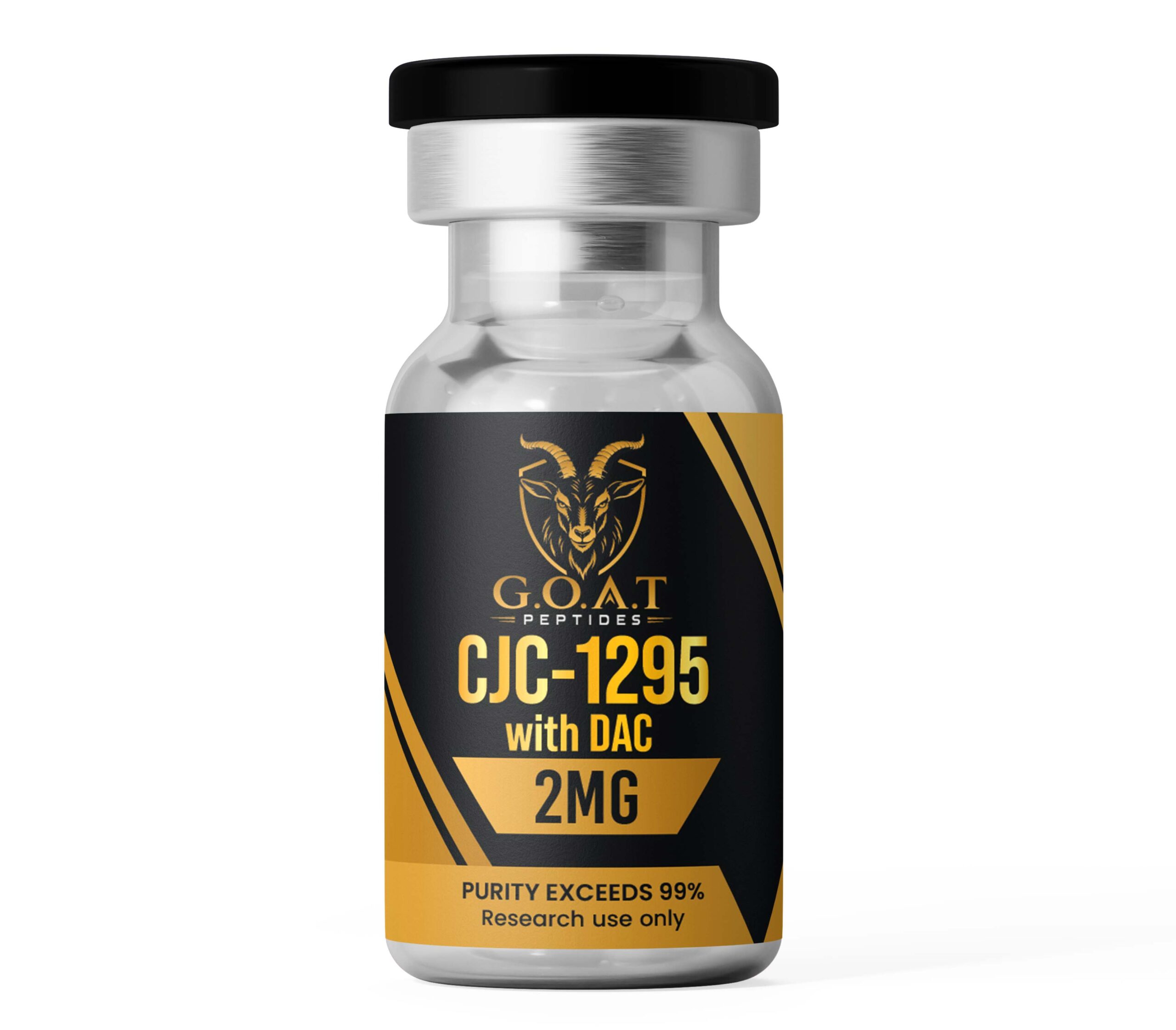
| CJC-1295 with DAC | GHRH receptor | Long-acting, albumin-binding GHRH analogue |
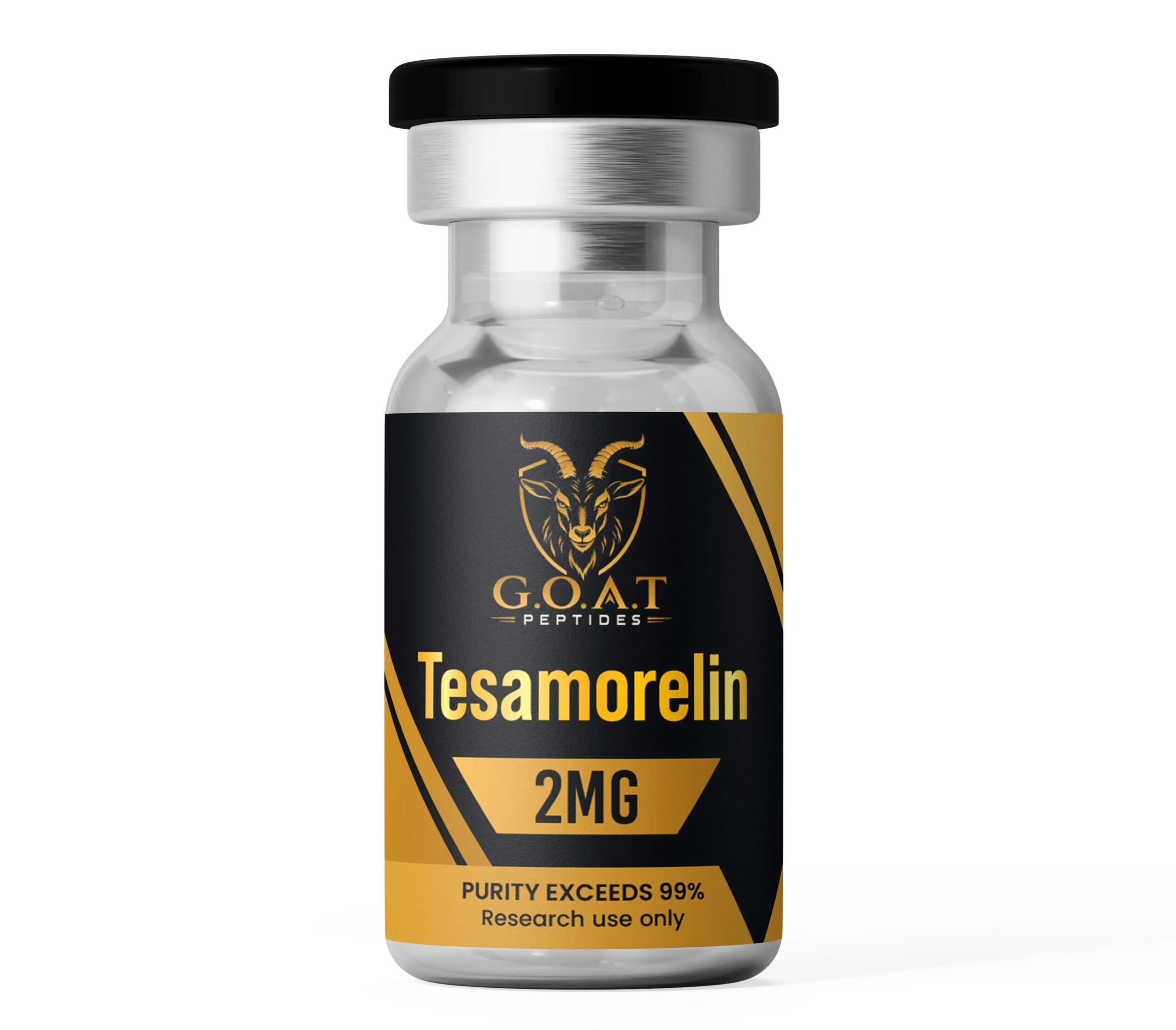
| Tesamorelin | GHRH receptor | Stabilised full-length GHRH(1-44) analogue |
| GHRP-2 | Ghrelin receptor | Hexapeptide secretagogue |
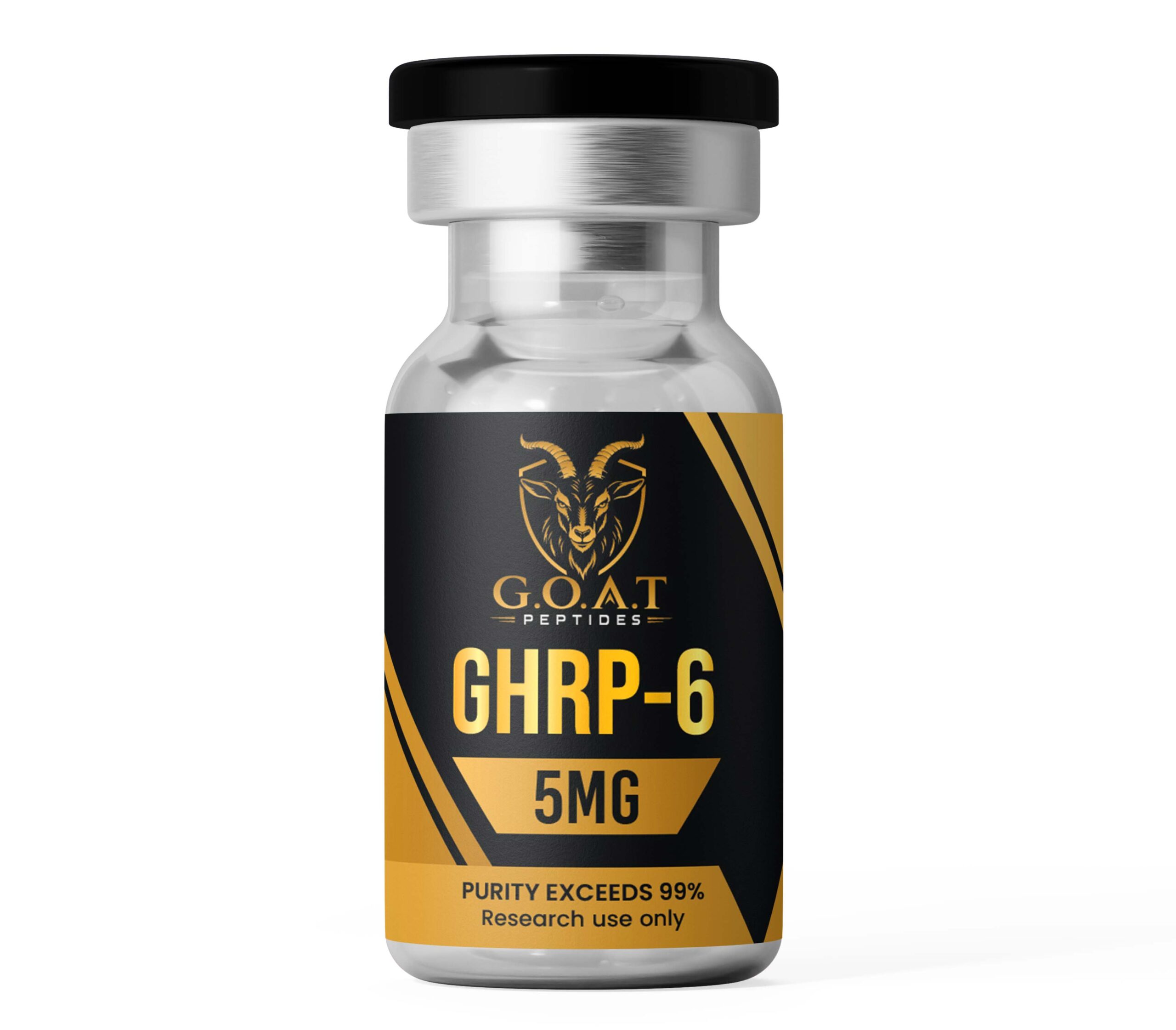
| GHRP-6 | Ghrelin receptor | Hexapeptide secretagogue |
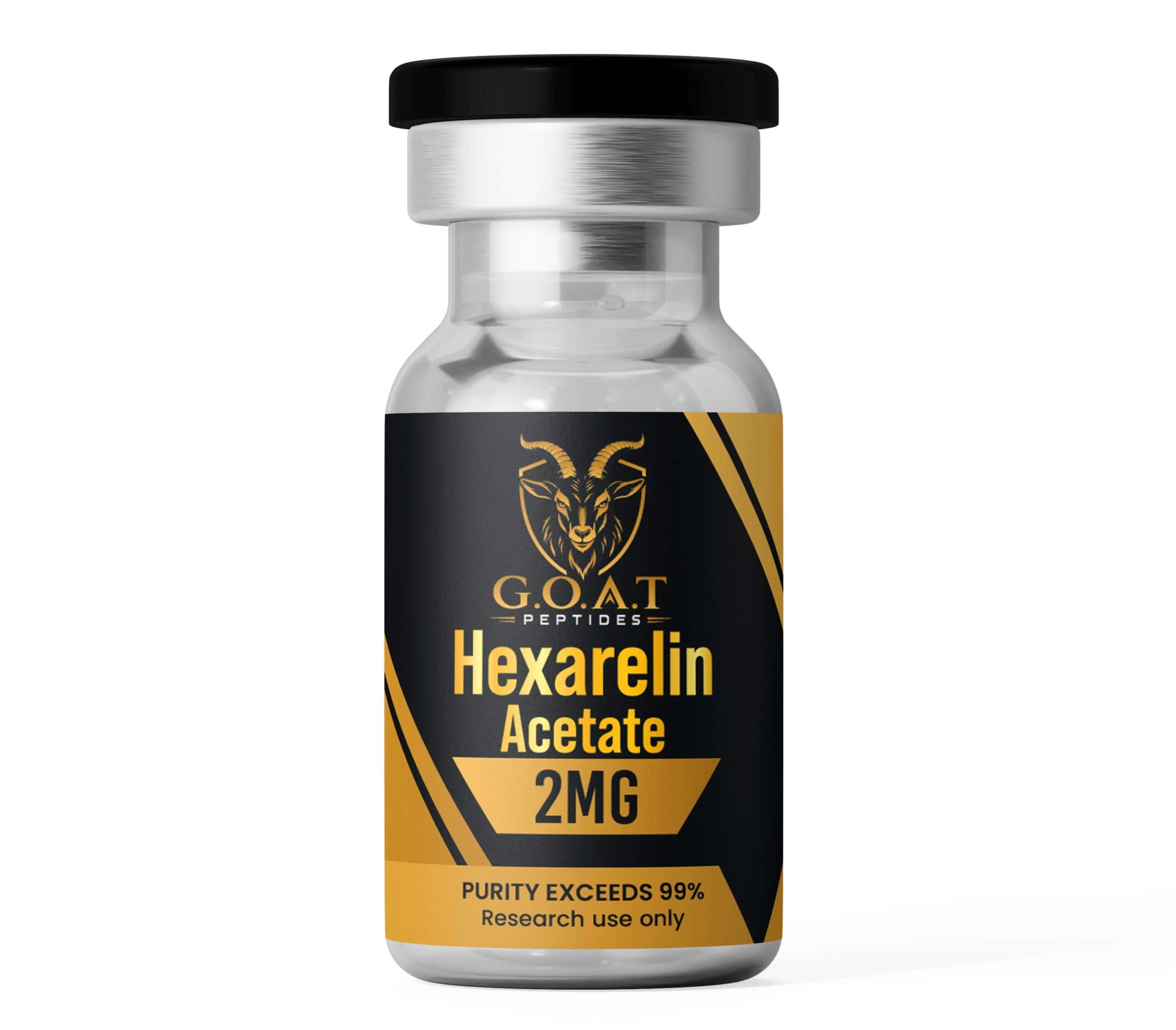
| Hexarelin acetate | Ghrelin receptor, CD36 | Hexapeptide secretagogue |
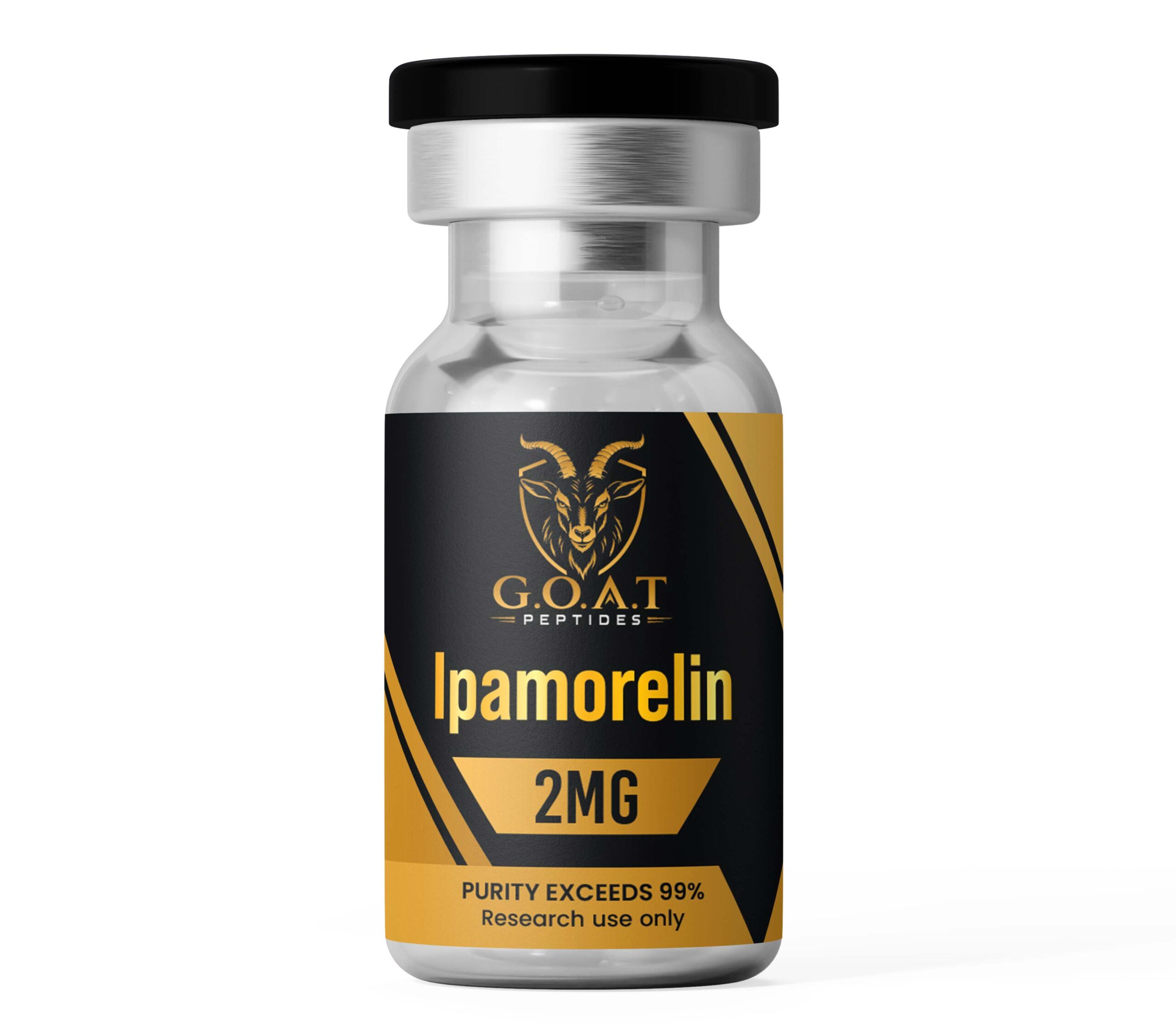
| Ipamorelin | Ghrelin receptor (selective) | Pentapeptide secretagogue |
| CJC (no DAC) \+ Ipamorelin | Both GH pathways | Combined research blend |
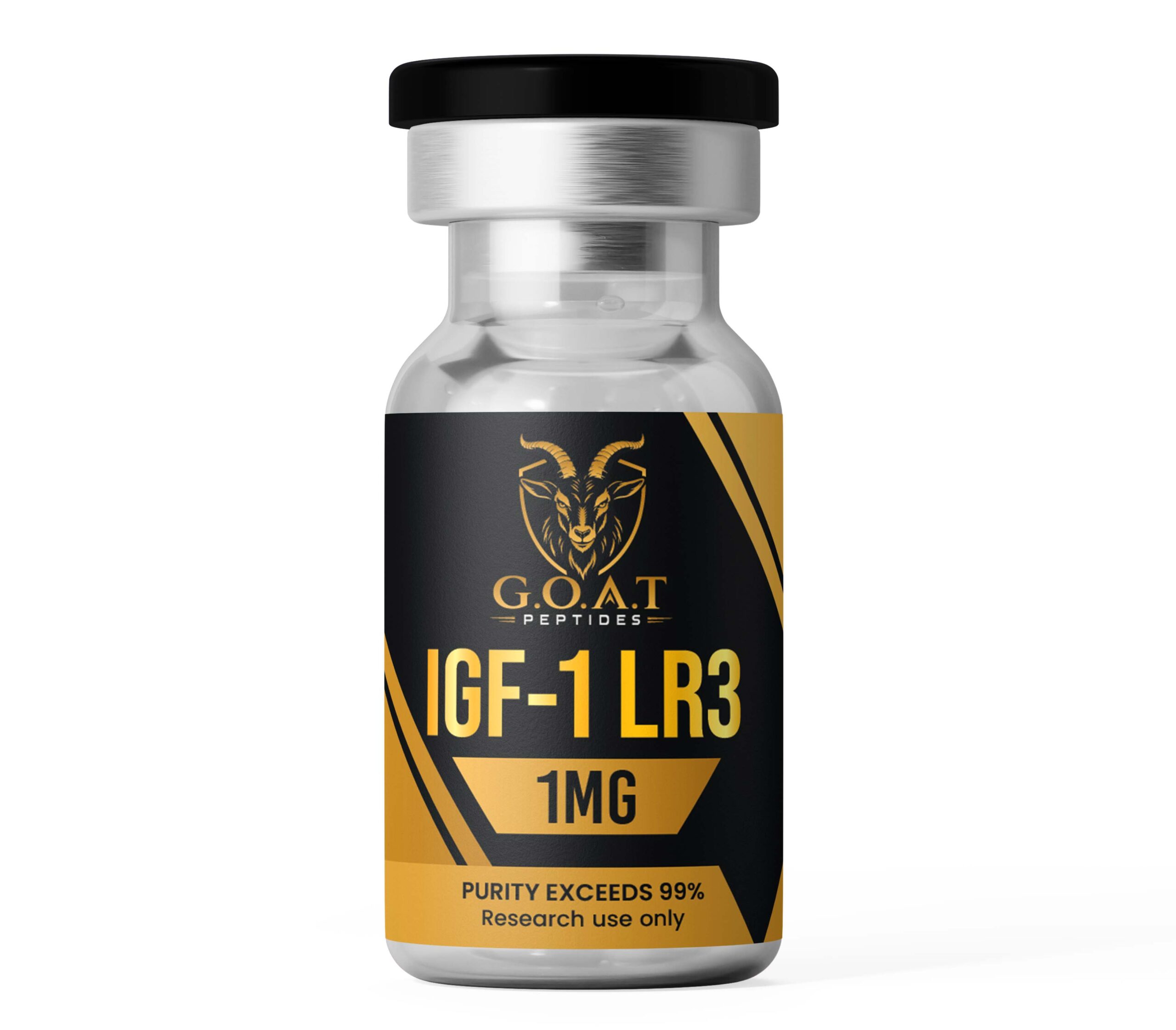
| IGF-1 LR3 | IGF-1 receptor | Long-acting IGF-1 analogue |
| MGF / PEG-MGF | IGF-1 splice variant | E-domain peptide (PEG version stabilised) |
| ACE-031 | Myostatin/activin | Receptor fusion protein |
| FST-344 | Myostatin/activin | Follistatin isoform |
| AICAR | AMPK energy sensing | Small molecule (not a peptide) |
GHRH Analogues: Sermorelin, CJC-1295 and Tesamorelin
These compounds mimic GHRH. Sermorelin is the first 29 amino acids of natural GHRH, the shortest fully active sequence, and was once a licensed medicine. CJC-1295 without DAC (also called Modified GRF 1-29) swaps four amino acids to resist enzyme breakdown. CJC-1295 with DAC adds a "drug affinity complex" that binds albumin in the blood, which extended its half-life from minutes to several days in human studies. Tesamorelin is a stabilised version of the full 44-amino-acid hormone, licensed in the US for a specific HIV-related condition.
Ghrelin Receptor Agonists: GHRP-2, GHRP-6, Hexarelin and Ipamorelin
These act on the second pathway, the receptor that ghrelin (the "hunger hormone") uses. The older GHRPs, GHRP-2, GHRP-6, and hexarelin, also raised cortisol and prolactin in studies, and GHRP-6 notably increased appetite. Ipamorelin was developed as a more selective option that raised GH in animal studies without significant effects on those other hormones. Hexarelin is also studied in cardiac research because it binds the CD36 receptor. GHRH analogues and ghrelin agonists are known to act synergistically on GH release, which is the research rationale for the CJC-1295 \+ Ipamorelin blend.
Growth Factor Research: IGF-1 LR3, MGF and PEG-MGF
IGF-1 LR3 is a modified IGF-1 with one amino acid change and a 13-amino-acid extension. These changes stop it from binding to the proteins that normally inactivate IGF-1, so it stays active far longer. It is widely used as a supplement in cell culture media. Mechano growth factor (MGF) comes from a variant of the IGF-1 gene that is switched on in muscle after mechanical loading. PEG-MGF has polyethylene glycol attached to slow its breakdown. MGF findings are contested: at least one study found the synthetic peptide had no clear effect on muscle stem cells.
Myostatin Pathway Research: ACE-031 and FST-344
Myostatin limits muscle growth, and animals that lack it develop much larger muscles. ACE-031 is a fusion protein that acts as a decoy receptor, soaking up myostatin and related signals. Its clinical trial in boys with Duchenne muscular dystrophy was stopped early over safety concerns. FST-344 is an isoform of follistatin, a natural protein that binds and neutralises myostatin and activin.
Energy Sensing Research: AICAR
AICAR is a small molecule that activates AMPK, the cell's energy sensor. In a well-known mouse study, it improved running endurance without exercise, which earned it the label "exercise mimetic."
Quality & Storage
Each peptide batch is tested by HPLC and mass spectrometry, and its Certificate of Analysis is on the product page. Store lyophilised vials at −20°C and reconstituted solutions at 2–8°C. Larger proteins such as ACE-031 and FST-344 are especially sensitive to agitation and repeated freeze-thaw cycles. Orders are dispatched from the UK or USA depending on fulfilment location, and most are processed within 1–3 business days.
Research use only: These compounds are not medicines or supplements, are not approved for human or veterinary use, and are not for human consumption. All are prohibited in sport under the WADA Prohibited List. Laboratory and animal findings do not show effects on muscle, strength, or performance in humans.
Recovery compounds such as TB-500 and BPC-157 are covered in tissue repair, and the metabolic and body-composition side in fat loss.
Frequently Asked Questions
What is the difference between CJC-1295 with and without DAC?
Both are modified GHRH analogues. The DAC version binds albumin in the blood, which extends its half-life to several days in human studies. The version without DAC (Modified GRF 1-29) is short-acting.
What is the difference between GHRH analogues and GHRPs?
They act on different receptors. GHRH analogues such as sermorelin and CJC-1295 mimic growth hormone-releasing hormone. GHRPs such as GHRP-2 and ipamorelin act on the ghrelin receptor. The two pathways are known to act synergistically on GH release.
Why is ipamorelin described as selective?
In animal studies, ipamorelin raised GH without significantly raising cortisol or prolactin, unlike older GHRPs such as GHRP-2 and GHRP-6.
What is IGF-1 LR3?
IGF-1 LR3 is a modified IGF-1 that doesn't bind the proteins that normally inactivate IGF-1, so it stays active far longer. It is widely used in cell culture media.
What is the difference between MGF and PEG-MGF?
MGF is a peptide from a muscle-specific variant of the IGF-1 gene. PEG-MGF has polyethylene glycol attached to slow its breakdown. Research findings on synthetic MGF are mixed.
What do ACE-031 and follistatin have in common?
Both block myostatin, a protein that limits muscle growth. ACE-031 is a decoy receptor fusion protein, and follistatin is a natural binding protein. ACE-031's clinical trial was stopped early over safety concerns.
Are these compounds banned in sport?
Yes. All compounds in this collection are on the WADA Prohibited List, either as peptide hormones and growth factors or as metabolic modulators.
Are muscle research peptides approved for human use?
No. These products are sold for laboratory research only. They are not approved to build muscle or improve performance, and they are not for human consumption.
#