
Peptides in This Collection by Research Area
Aging research generally looks at a set of biological processes known as the hallmarks of aging, including telomere shortening, the build-up of senescent cells, declining mitochondrial function, and age-related changes in the immune system. Each compound in this collection is studied in connection with at least one of them.
| Compound | Research area | Type |
|---|---|---|
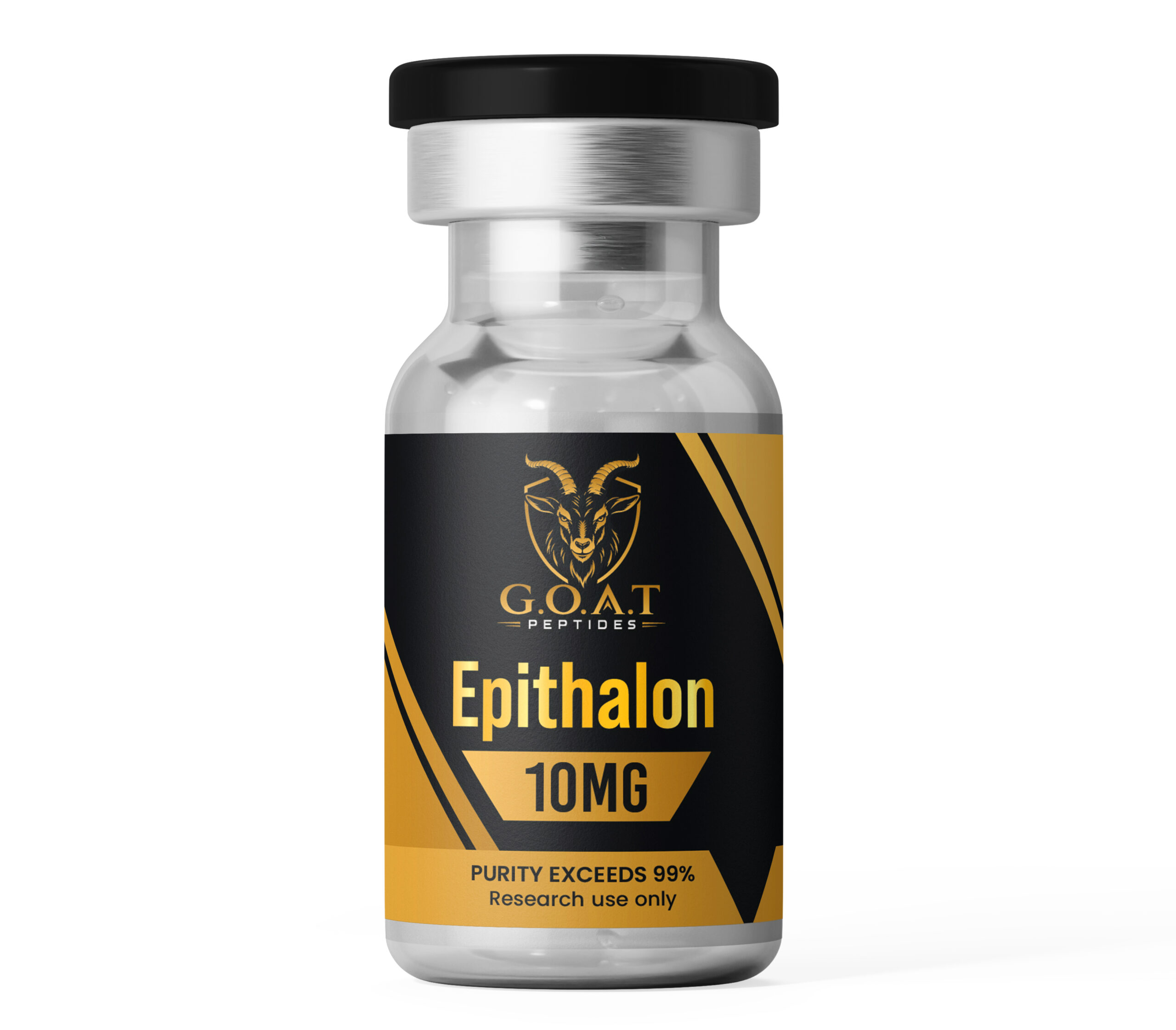
| Epithalon | Telomere biology, pineal research | Tetrapeptide (Ala-Glu-Asp-Gly) |
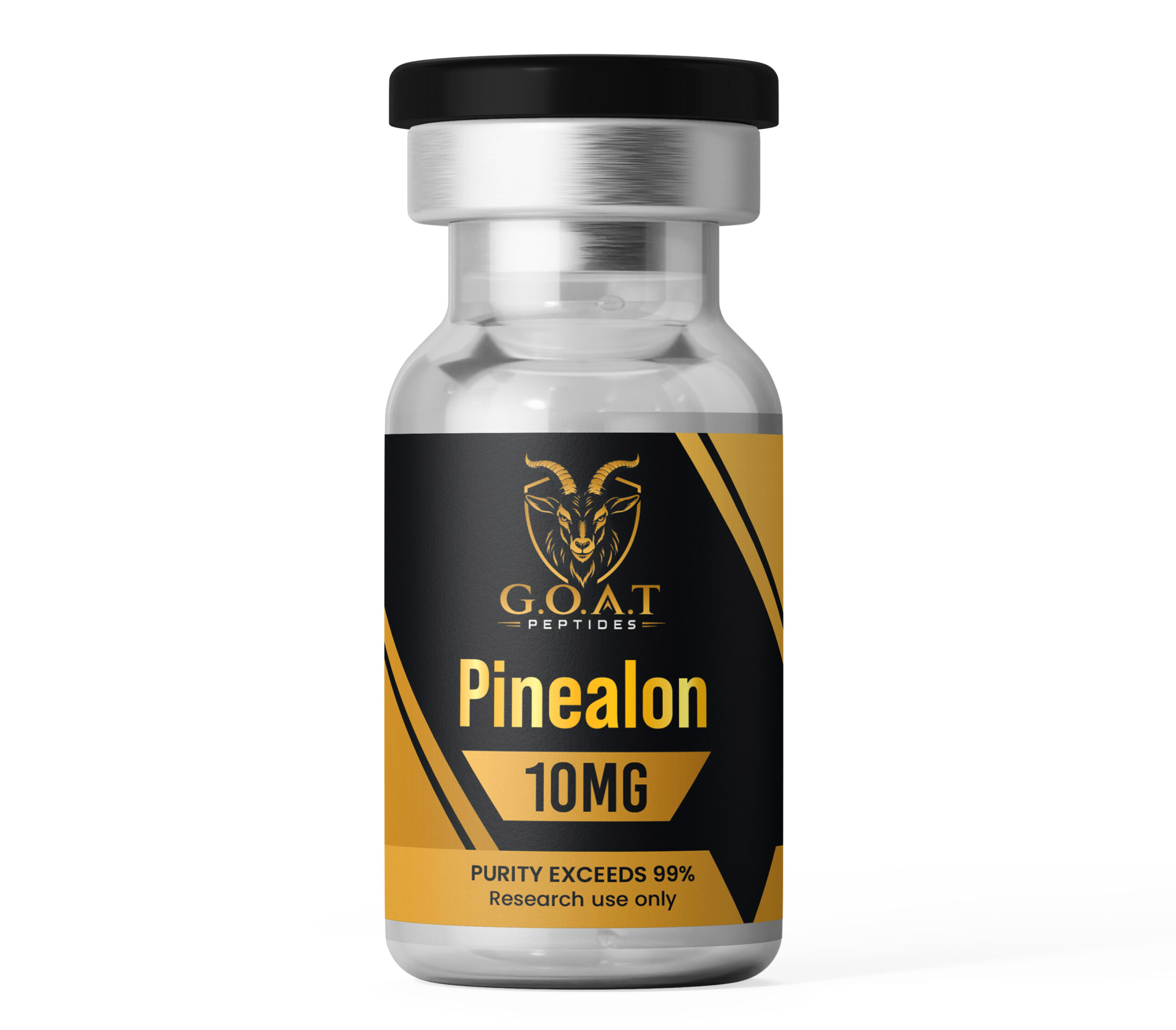
| Pinealon | Neuronal cell models, peptide bioregulators | Tripeptide (Glu-Asp-Arg) |
| FOXO4-DRI | Cellular senescence | D-retro-inverso peptide |
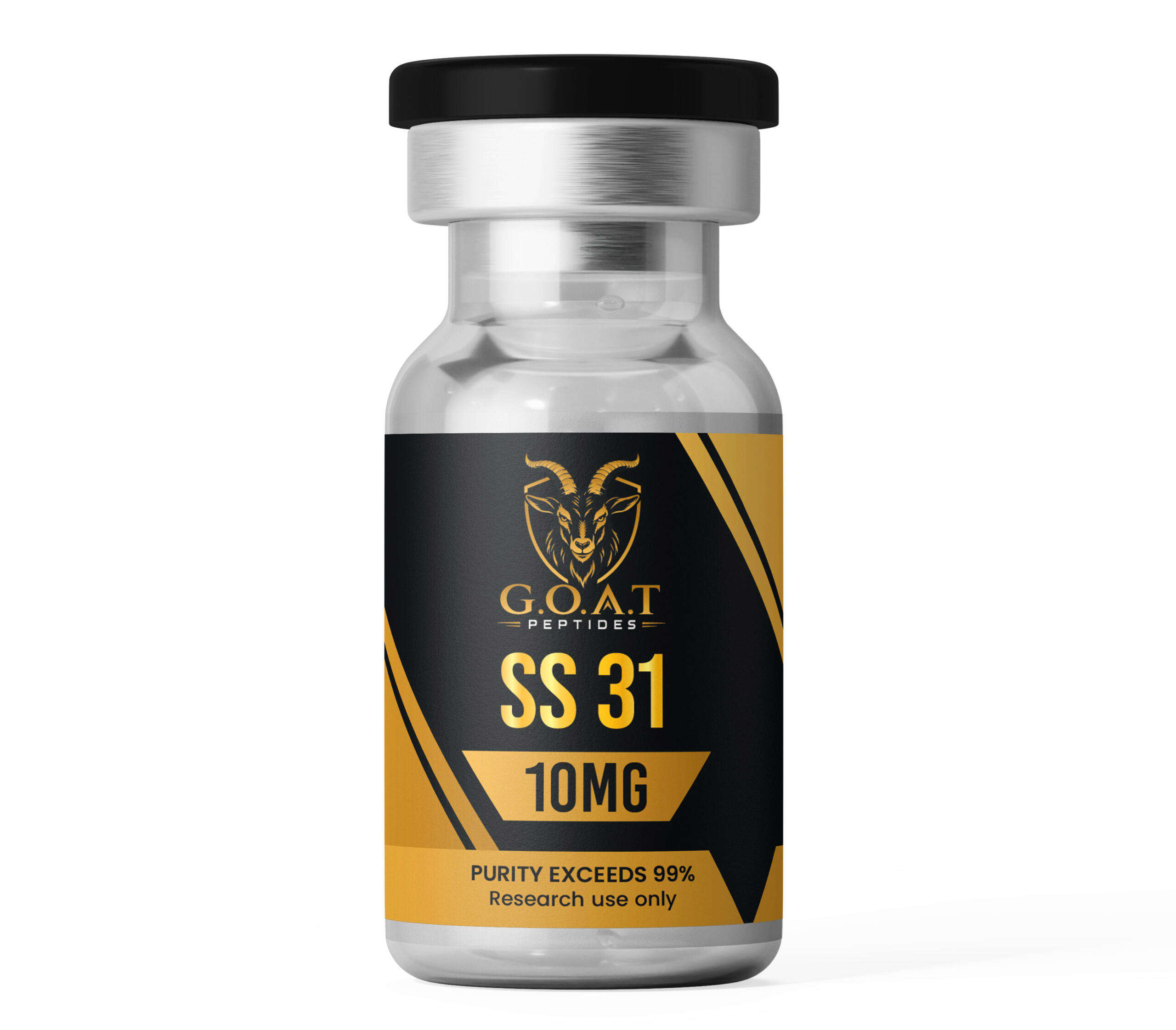
| SS-31 | Mitochondrial membrane function | Mitochondria-targeted tetrapeptide |
| Humanin | Mitochondrial-derived peptides, cell survival | 24-amino-acid peptide |
| Thymosin Alpha 1 | Immune signalling, immunosenescence | 28-amino-acid peptide |
| Thymalin | Thymus biology, immune aging | Thymic polypeptide complex |
Telomere and Pineal Research: Epithalon and Pinealon
Epithalon is a synthetic tetrapeptide based on epithalamin, a polypeptide extract of the pineal gland. Most published work on it looks at telomerase activity and telomere length in cell cultures. Pinealon is a tripeptide from the same family of short "peptide bioregulators" and is mainly studied in neuronal cell and oxidative-stress models.
Cellular Senescence Research: FOXO4-DRI
Senescent cells have permanently stopped dividing but stay metabolically active, and they accumulate in tissues with age. FOXO4-DRI is a modified peptide designed to disrupt the binding between the FOXO4 and p53 proteins, an interaction that helps senescent cells survive. Its research base centres on a 2017 mouse study by Baar et al., so the evidence remains early-stage and preclinical.
Mitochondrial Research: SS-31 and Humanin
SS-31 binds cardiolipin, a lipid found almost exclusively in the inner mitochondrial membrane, and is used to study mitochondrial structure, energy production, and oxidative stress. The same compound has been investigated in clinical trials under the name elamipretide. Humanin is a small peptide encoded within mitochondrial DNA. It was first identified in research on neuronal cell death and is now studied more broadly in cell-survival and stress-response models.
Immune Aging Research: Thymosin Alpha 1 and Thymalin
The thymus gradually shrinks with age, a process researchers associate with declining immune function, known as immunosenescence. Thymosin Alpha 1 is a defined 28-amino-acid peptide originally isolated from thymic tissue and is studied in immune cell signalling. Thymalin is a complex of polypeptides derived from thymus tissue and is studied in the same field.
Quality, Testing & Storage
Each batch is independently tested for identity and purity by HPLC and mass spectrometry before release, and a batch-specific Certificate of Analysis is available on each product page. Peptides are supplied as lyophilised (freeze-dried) powder. Lyophilised peptides are generally stored at −20°C, away from light and moisture, and refrigerated at 2–8°C once reconstituted. Orders are dispatched from the UK or USA depending on fulfilment location, and most are processed within 1–3 business days. Domestic delivery typically takes 2–7 business days, and international delivery 7–21 business days.
Research use only: These products are not medicines, are not approved for human or veterinary use, and are not for human consumption. Laboratory findings do not demonstrate anti-aging effects or safety in humans.
Two of the compounds here overlap with other collections: Thymosin Alpha 1 and Thymalin also appear in our immune health collection, where the thymus and inflammation research is covered in more depth, while GHK-Cu copper peptide work sits under tissue repair.
Frequently Asked Questions
What are anti-aging research peptides?
They are peptides studied in laboratory research on the biological processes of aging, such as telomere maintenance, cellular senescence, mitochondrial function, and immune aging. They are research materials, not anti-aging treatments.
What is the difference between Epithalon and Pinealon?
Both are short synthetic peptide bioregulators. Epithalon is a tetrapeptide studied mainly in telomere and pineal research. Pinealon is a tripeptide studied mainly in neuronal cell models.
Is SS-31 the same as elamipretide?
Yes. SS-31 is the research name for the compound developed clinically as elamipretide. The product supplied here is a research-grade material, not a pharmaceutical product.
What is FOXO4-DRI studied for?
FOXO4-DRI is studied in cellular senescence research, specifically the interaction between the FOXO4 and p53 proteins in senescent cells. Published evidence is limited and mostly preclinical.
What is the difference between Thymosin Alpha 1 and Thymalin?
Thymosin Alpha 1 is a single, defined 28-amino-acid peptide. Thymalin is a complex of polypeptides derived from thymus tissue. Both are studied in immune aging research.
What purity are your anti-aging research peptides?
Every batch is independently verified to ≥99% purity by HPLC and mass spectrometry before release. A batch-specific Certificate of Analysis can be downloaded from each product page.
How should lyophilised research peptides be stored?
Store lyophilised powder sealed at −20°C, protected from light and moisture. Once reconstituted, keep it refrigerated at 2–8°C. Check each product page for compound-specific guidance.
Are anti-aging research peptides approved for human use?
No. These products are sold for laboratory research only. None are approved as anti-aging treatments, and they are not for human consumption.