How Tissue Repair Is Studied
Healing happens in overlapping stages. First comes inflammation, which clears damage and infection. Next is proliferation, when new blood vessels and connective tissue form. Last is remodelling, as collagen is reorganised into stronger tissue. The peptides in this collection are studied at different points in that sequence.
The Core Repair Peptides: BPC-157 and TB-500
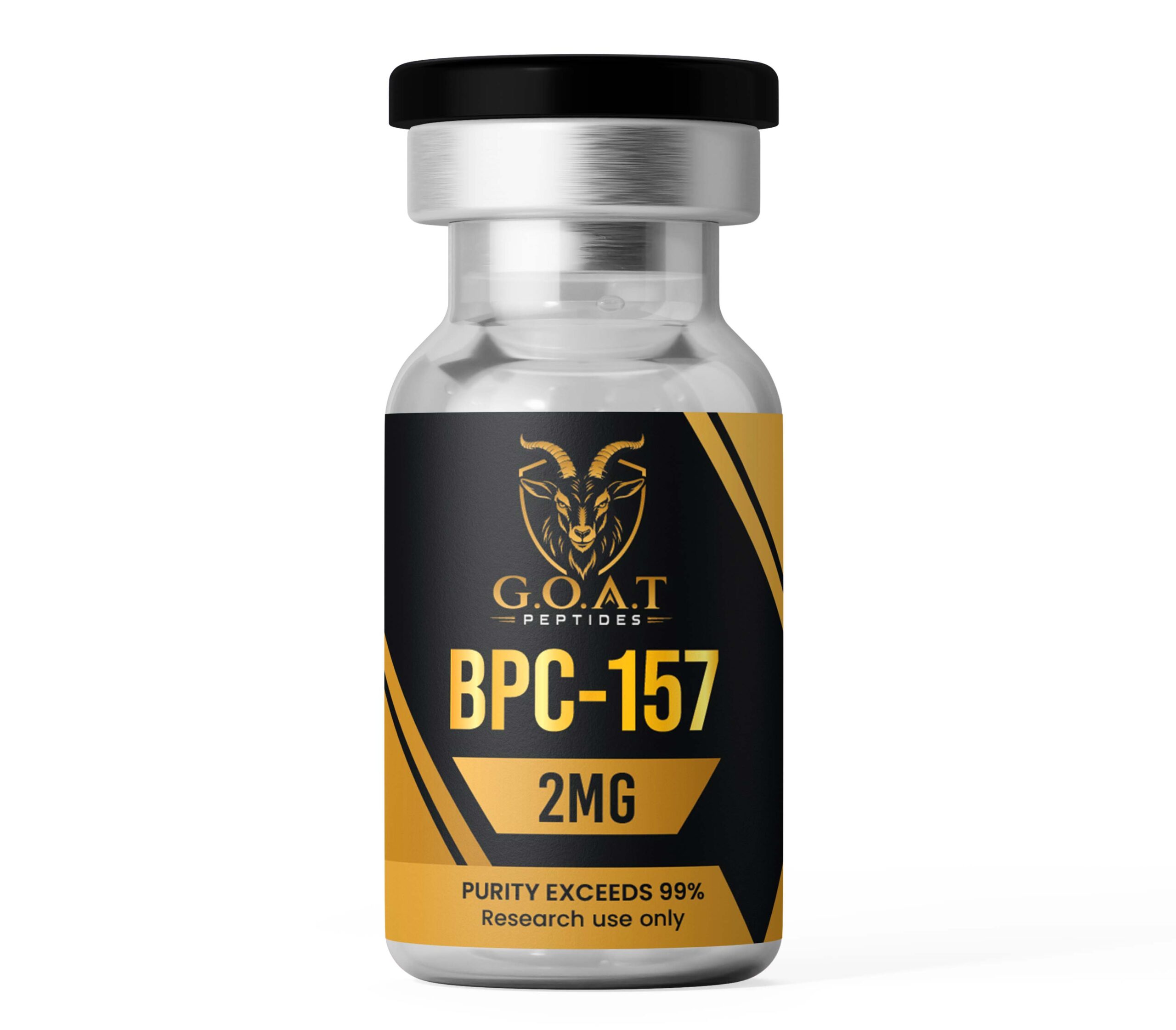
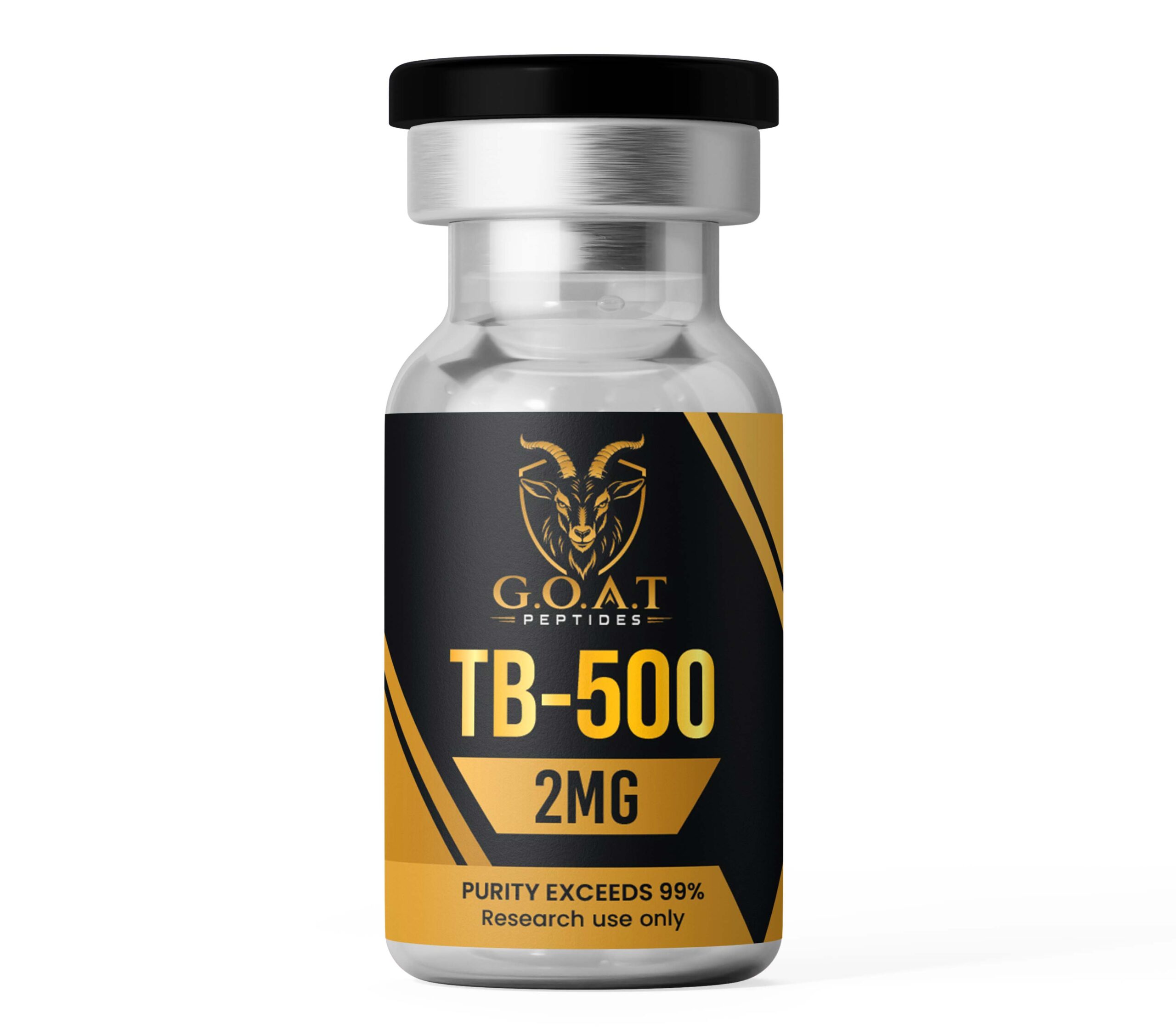
BPC-157 is a 15-amino-acid sequence taken from a larger protein found in human gastric juice, which is why it's sometimes called a "body protection compound." Most published work comes from a single research group in Zagreb and was carried out in rodents, covering tendon, ligament, gut, and blood vessel healing. Human data remain very limited. TB-500 is a synthetic peptide based on the active region of thymosin beta-4 (Tβ4), a 43-amino-acid protein that binds actin and helps cells migrate into damaged tissue. Much of the cited research was done on full-length Tβ4 rather than TB-500 itself, a distinction worth keeping in mind when reading the literature.
####
| Compound | Research focus | Type | Evidence base |
|---|---|---|---|
| BPC-157 | Tendon, gut, and blood vessel repair models | 15-amino-acid gastric peptide fragment | Mostly rodent studies |
| TB-500 | Cell migration, actin regulation | Thymosin β4-derived peptide | Mainly research on full Tβ4 |
| GHK-Cu | Collagen synthesis, wound remodelling | Copper tripeptide | Extensive in vitro, some clinical |
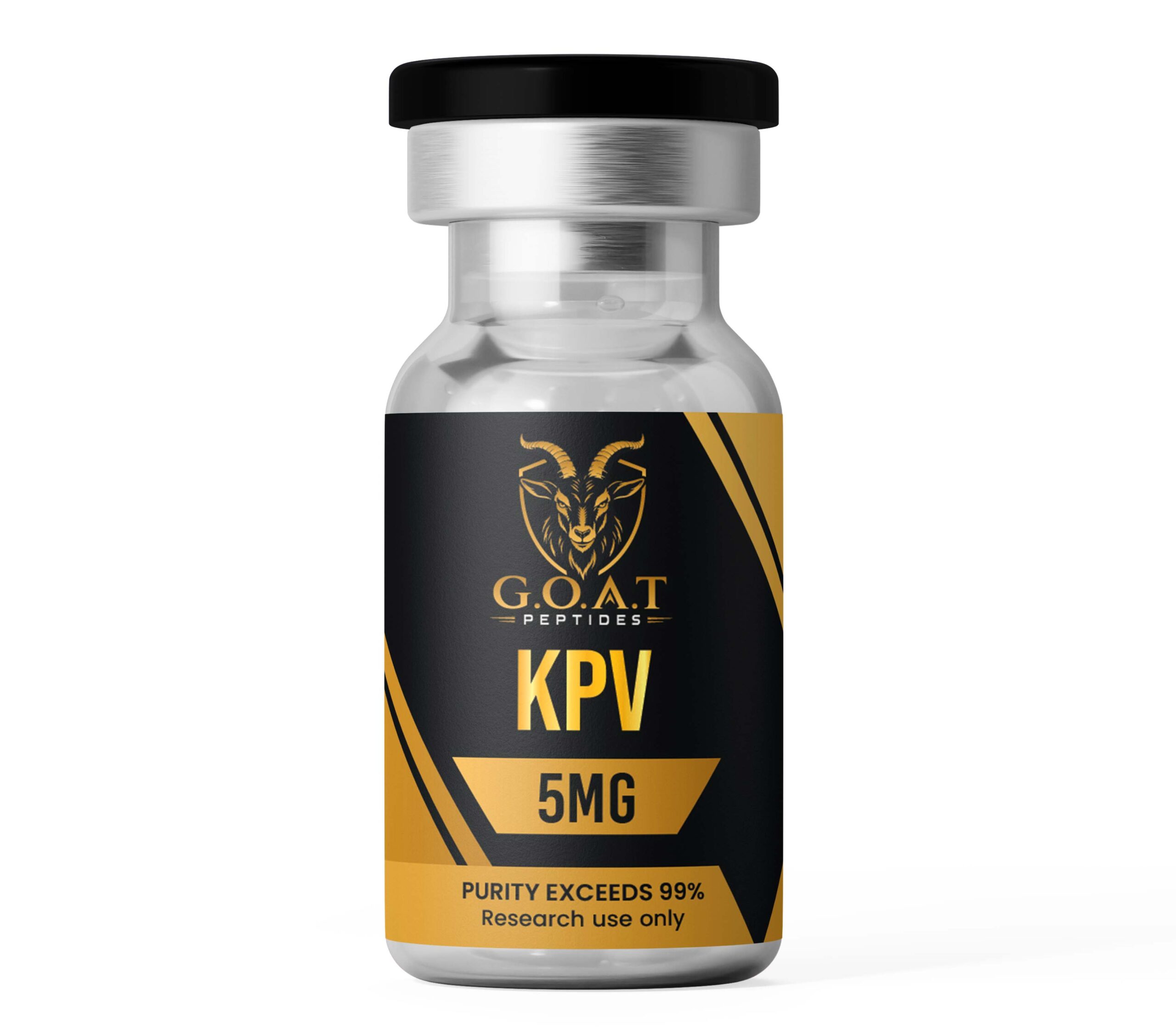
| KPV | Intestinal and skin inflammation | α-MSH tripeptide | Animal and cell models |
| LL-37 | Antimicrobial defence, wound closure | Human cathelicidin peptide | Extensive preclinical |
| ARA-290 | Tissue-protective receptor, nerve repair | EPO-derived 11-amino-acid peptide | Phase 2 clinical (as cibinetide) |
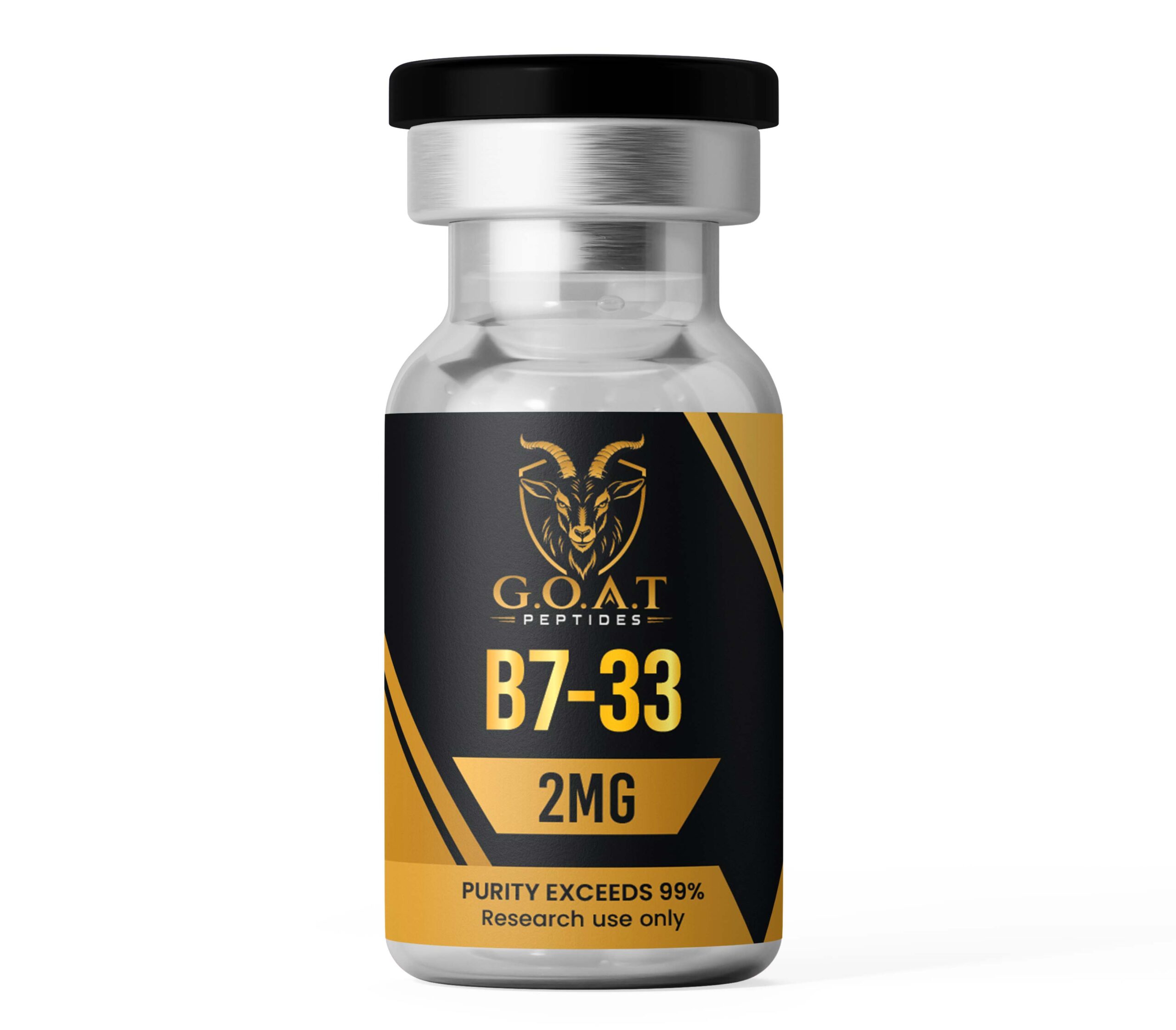
| B7-33 | Fibrosis, RXFP1 receptor | Single-chain relaxin-2 analogue | Animal models |
| Glutathione | Oxidative stress | Antioxidant tripeptide | Extensive |
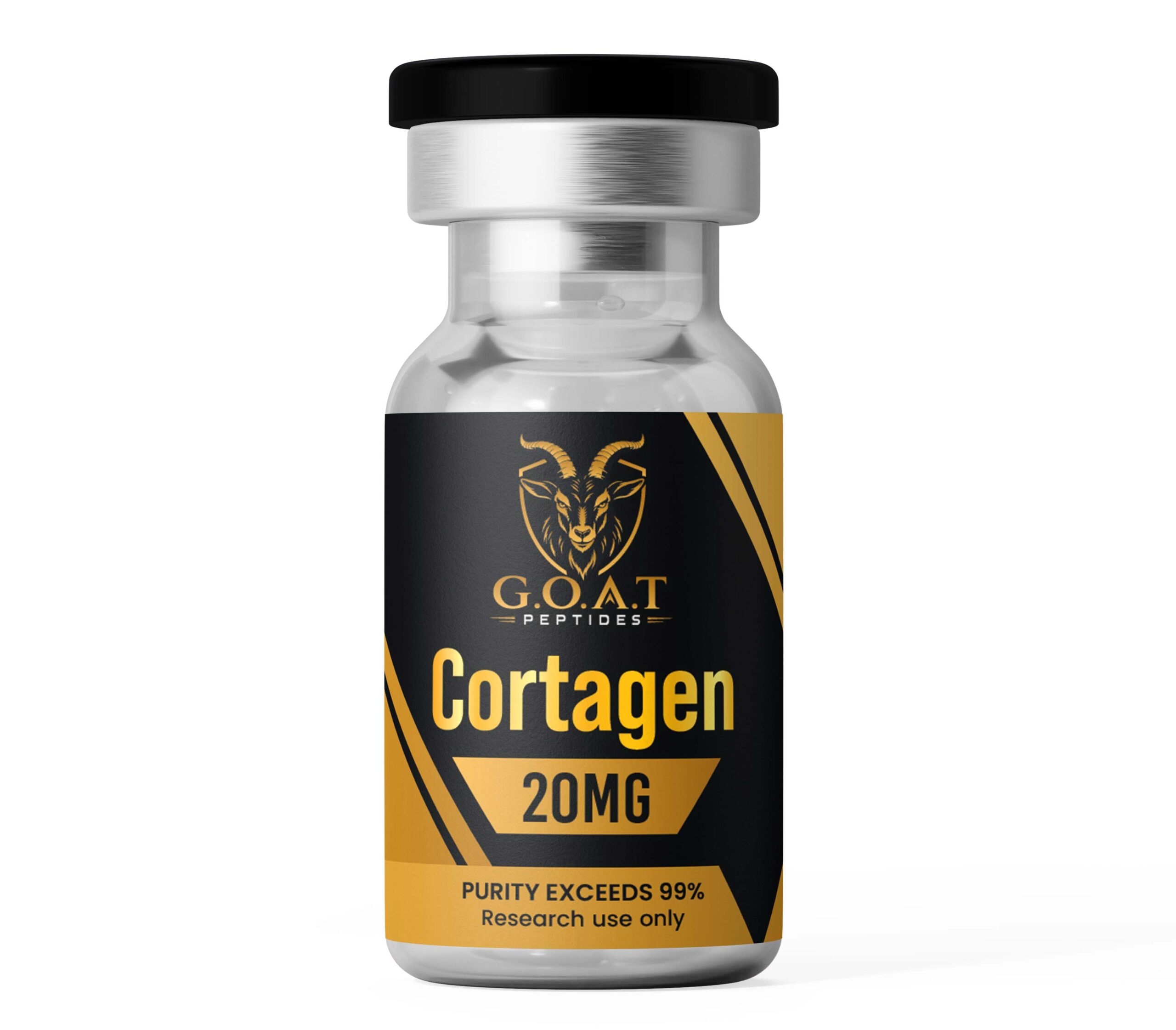
| Cortagen, Cartalax, Cardiogen, Crystagen | Tissue-specific gene regulation | Khavinson bioregulator peptides | Mainly Russian cell and animal studies |
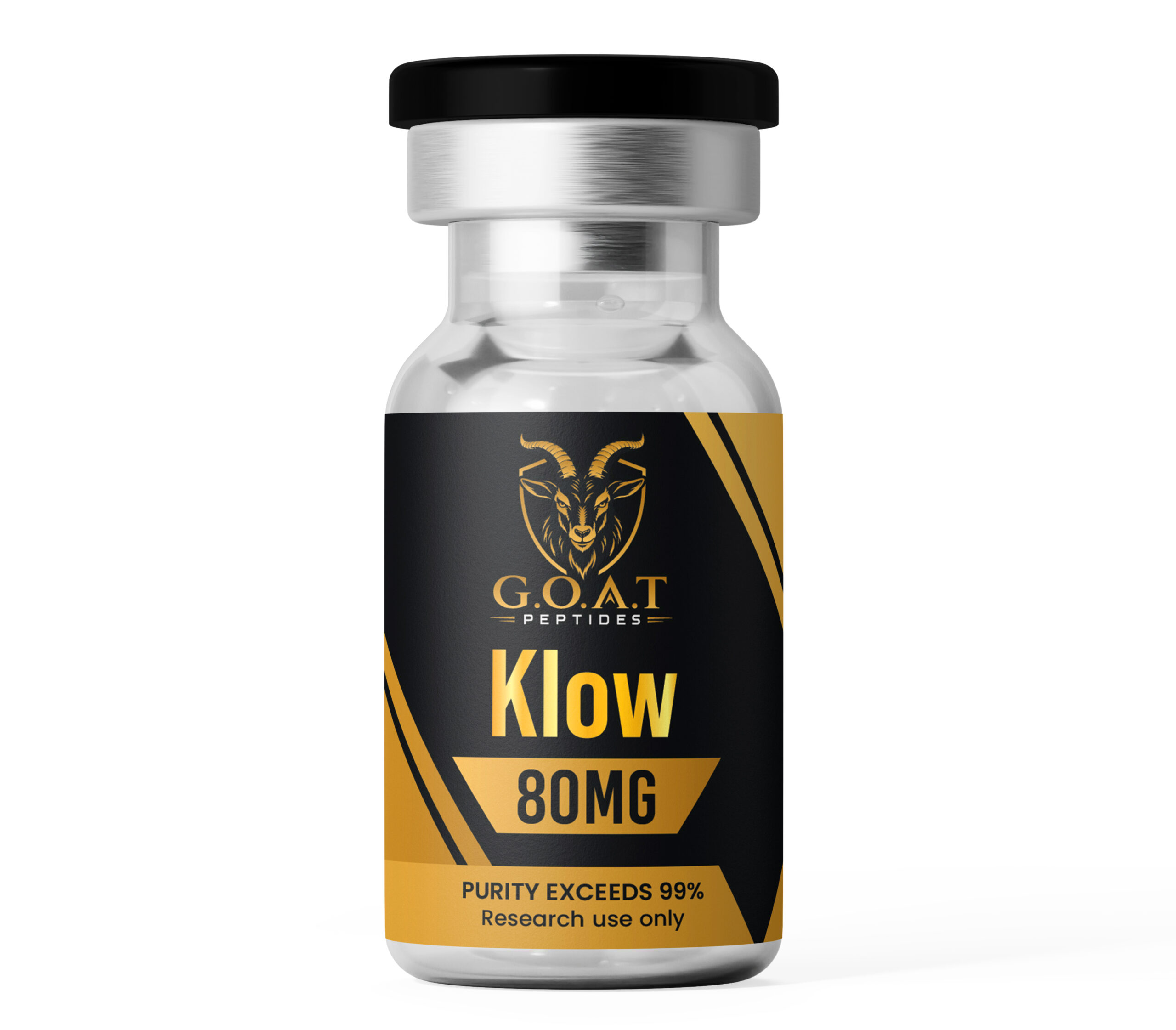
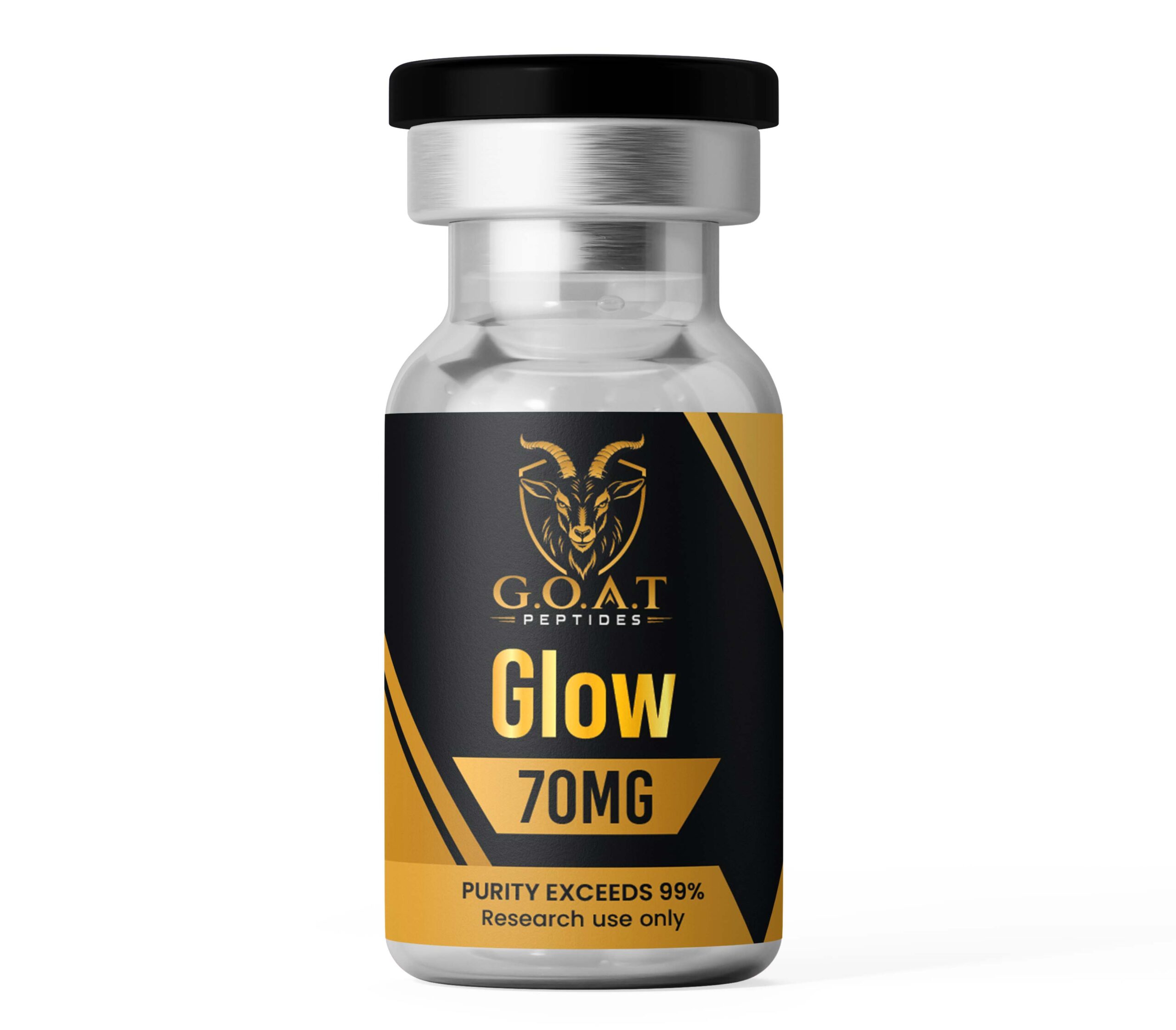
| BPC \+ TB, GLOW, KLOW | Combined repair research | Multi-peptide blends | See individual components |
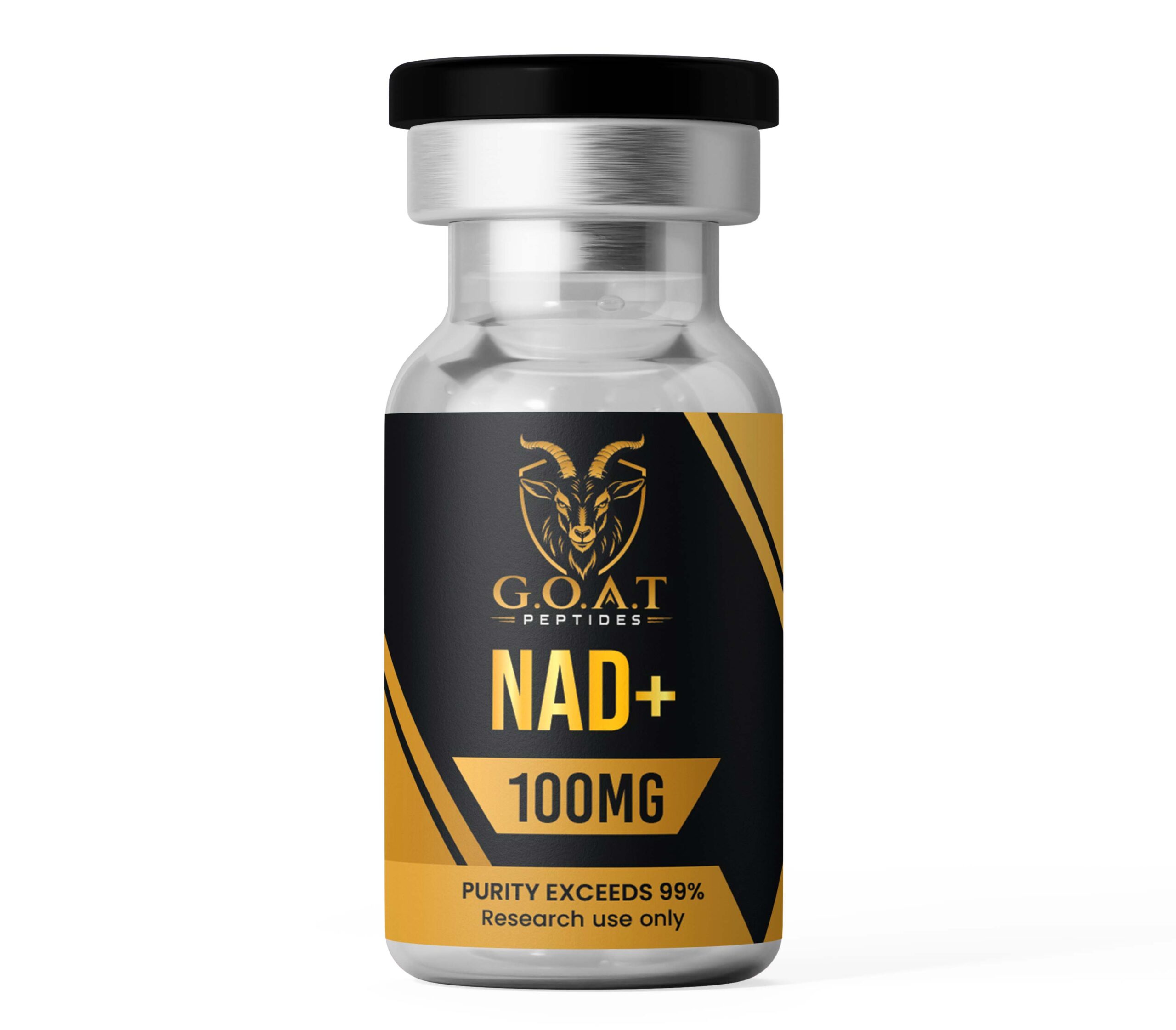
| NAD+ | Cellular energy metabolism, DNA repair and sirtuin research | Dinucleotide coenzyme, not a peptide | Extensive basic and clinical research |
####
Copper Peptide Research: GHK-Cu
GHK-Cu was first isolated from human blood plasma in 1973, and its levels decline with age. In laboratory research, it stimulates collagen and glycosaminoglycan production by skin fibroblasts and is studied in wound remodelling. Gene expression studies suggest it influences a large number of human genes involved in tissue repair.
Inflammation and Defence: KPV and LL-37
KPV is a three-amino-acid fragment of α-melanocyte-stimulating hormone, studied in models of intestinal and skin inflammation. LL-37 is the only cathelicidin antimicrobial peptide made by the human body, named for its 37 amino acids and its two leading leucines. It kills bacteria directly and also signals to immune and skin cells during wound closure, which places it at the boundary between infection control and repair.
Receptor-Targeted Research: ARA-290 and B7-33
Both of these were engineered to keep one useful action of a larger hormone while dropping the rest. ARA-290 (cibinetide) is derived from erythropoietin (EPO). It activates EPO's tissue-protective receptor without stimulating red blood cell production, and it reached Phase 2 trials in small-fibre neuropathy. B7-33 is a single-chain analogue of the hormone relaxin-2 that selectively activates the RXFP1 receptor, and it is studied in models of fibrosis, where excess scar tissue forms in organs.
Peptide Bioregulators: Cortagen, Cartalax, Cardiogen and Crystagen
These very short peptides, two to four amino acids long, come from the same Russian research programme as Epithalon and Pinealon. In that literature, each is associated with a particular tissue: Cortagen with the brain cortex, Cartalax with cartilage, Cardiogen with heart tissue, and Crystagen with the immune system. They are proposed to regulate gene expression in those tissues. Evidence comes mainly from Russian cell and animal studies.
Antioxidant Research: Glutathione
Glutathione is a tripeptide (glutamate, cysteine, glycine) and the main antioxidant inside human cells. It is studied in research on oxidative stress, a factor in both tissue damage and the healing process.
Research Blends
BPC \+ TB combines the two core repair peptides in one vial. GLOW and KLOW are multi-peptide blends built around GHK-Cu, BPC-157, and TB-500, and KLOW adds KPV. Check each product page for the exact composition.
Cellular Energy and Repair Research: NAD+
NAD+ (nicotinamide adenine dinucleotide) is a coenzyme rather than a peptide, and it is included in this collection because it sits at the centre of the pathways that repair tissue: it carries electrons in redox reactions, and it is the substrate that sirtuins and PARP enzymes consume during DNA repair and stress responses. Research interest focuses on how NAD+ availability changes with age and injury, and on the effects of precursors such as NMN and NR. It is supplied as a lyophilised powder and is handled like other laboratory reagents — see the storage notes below.
Testing & Storage
Each peptide batch is tested by HPLC and mass spectrometry, with the Certificate of Analysis on the product page. Blends are reported component by component. Store lyophilised vials at −20°C and reconstituted solutions at 2–8°C. Orders are dispatched from the UK or USA depending on fulfilment location, and most are processed within 1–3 business days.
Research use only: These compounds are not medicines and are not approved for human or veterinary use. They are not for human consumption. BPC-157 and TB-500 are prohibited in sport under the WADA Prohibited List. Laboratory and animal findings do not show that these compounds heal injuries or treat any condition in humans.
Recovery research overlaps with muscle gain and fitness, and the antimicrobial and inflammation peptides here connect to immune health.
Frequently Asked Questions
Where does BPC-157 come from?
BPC-157 is a synthetic 15-amino-acid fragment of a protein found in human gastric juice. Most research on it has been carried out in rodents, and human data are very limited.
What is the difference between TB-500 and thymosin beta-4?
Thymosin beta-4 is a natural 43-amino-acid protein that binds actin and supports cell migration. TB-500 is a synthetic peptide based on its active region. Much published research uses full-length thymosin beta-4, so findings may not transfer directly to TB-500.
What are GLOW and KLOW?
They are multi-peptide research blends built around GHK-Cu, BPC-157, and TB-500. KLOW also contains KPV. Check the product page for the exact composition and ratios.
What are Khavinson bioregulator peptides?
They are very short peptides from a Russian research programme. In that literature, each is associated with a specific tissue and proposed to regulate gene expression there. Evidence comes mainly from Russian cell and animal studies.
How is ARA-290 related to EPO?
ARA-290 (cibinetide) is an 11-amino-acid peptide derived from erythropoietin. It activates EPO's tissue-protective receptor without stimulating red blood cell production.
Are BPC-157 and TB-500 banned in sport?
Yes. BPC-157 is prohibited by WADA as a non-approved substance, and thymosin beta-4 and its derivatives, including TB-500, are prohibited as peptide hormones and growth factors.
Can tissue repair research peptides heal injuries?
No approved claim exists. These products are sold for laboratory research only. They are not approved to heal injuries or treat any condition, and they are not for human consumption.
#