Compounds in This Collection by Research Area
Metabolic research asks how cells decide whether to store energy or burn it. The compounds here act at different points along that path: some at the fat cell itself, some at the mitochondria, and some on the enzymes and carriers in between.
| Compound | Research area | Type |
|---|---|---|
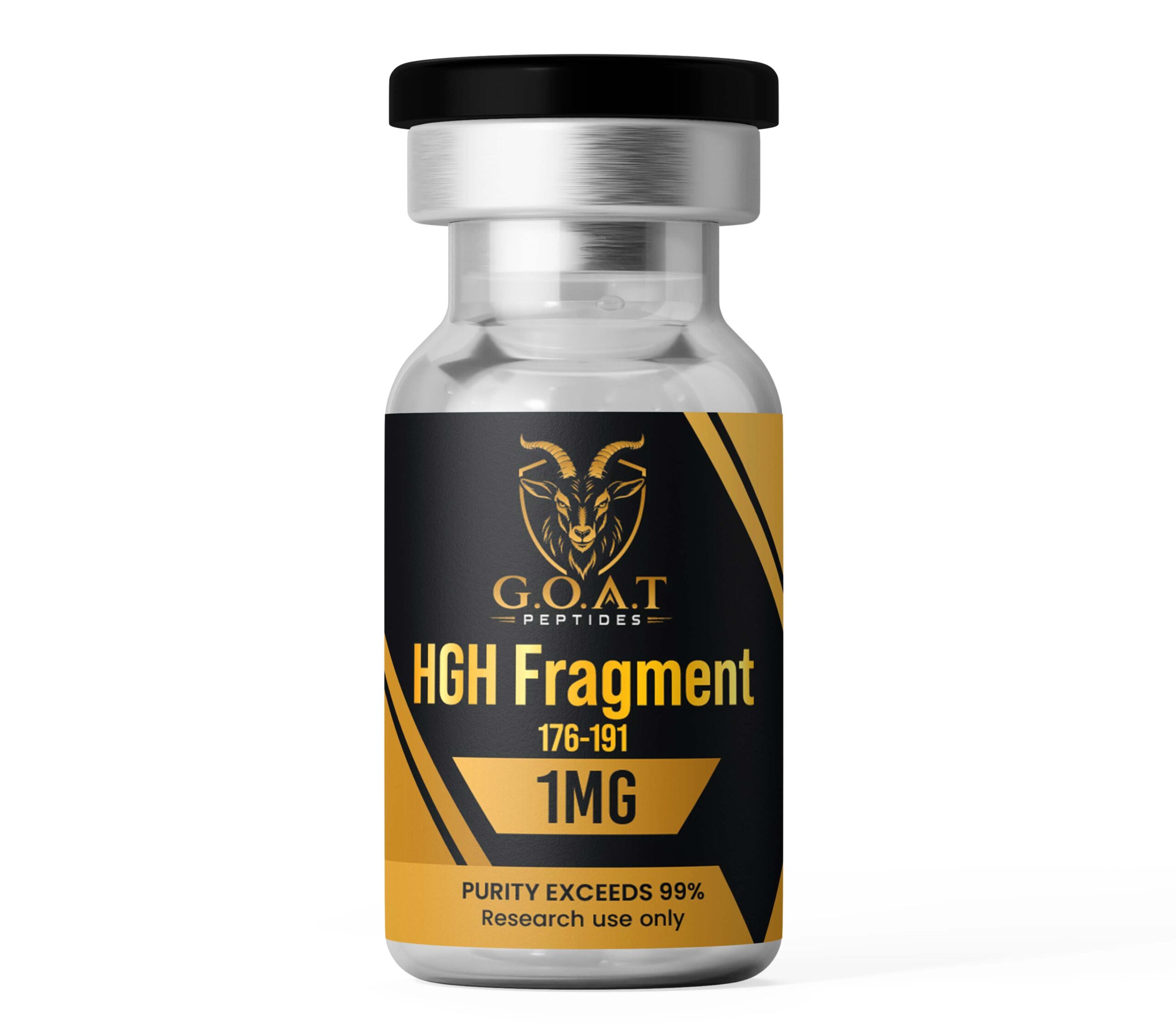
| HGH Fragment 176-191 | Lipolysis in fat cells | Growth hormone C-terminal fragment |
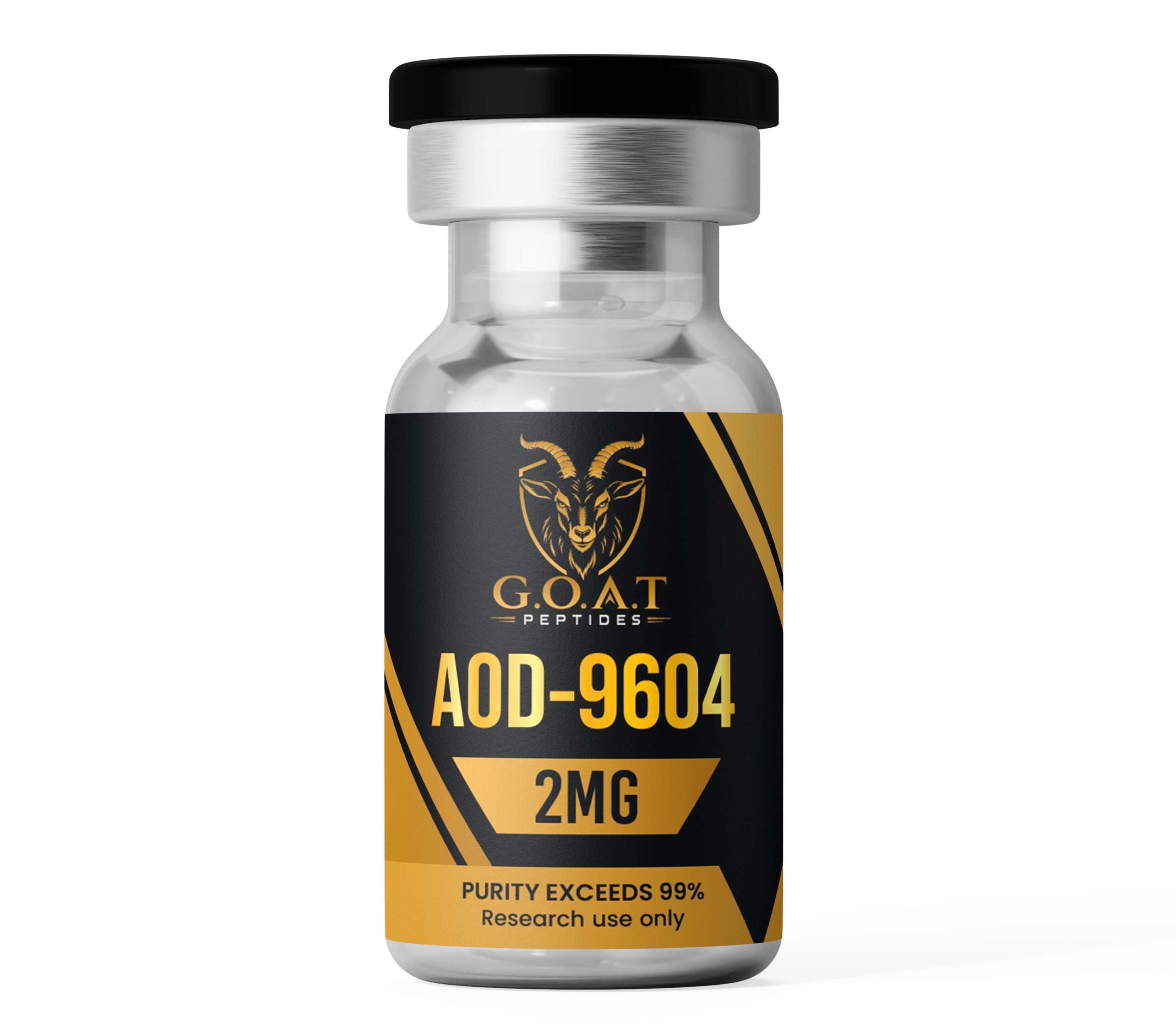
| AOD-9604 | Lipolysis, fat metabolism | Modified GH fragment |
| MOTS-c | Mitochondrial signalling, AMPK | Mitochondrial-derived peptide |
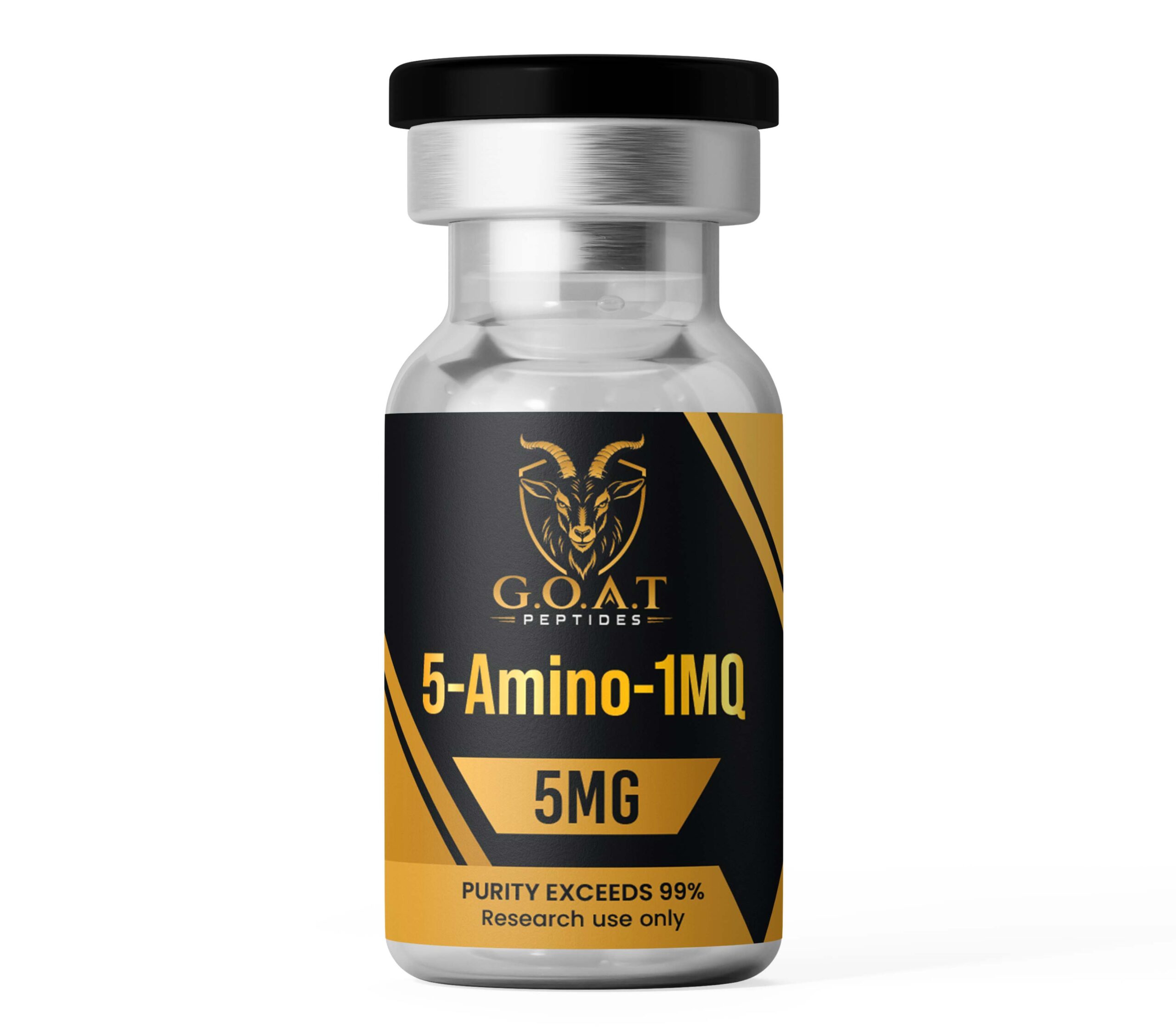
| 5-Amino-1MQ | NNMT enzyme inhibition | Small molecule (not a peptide) |
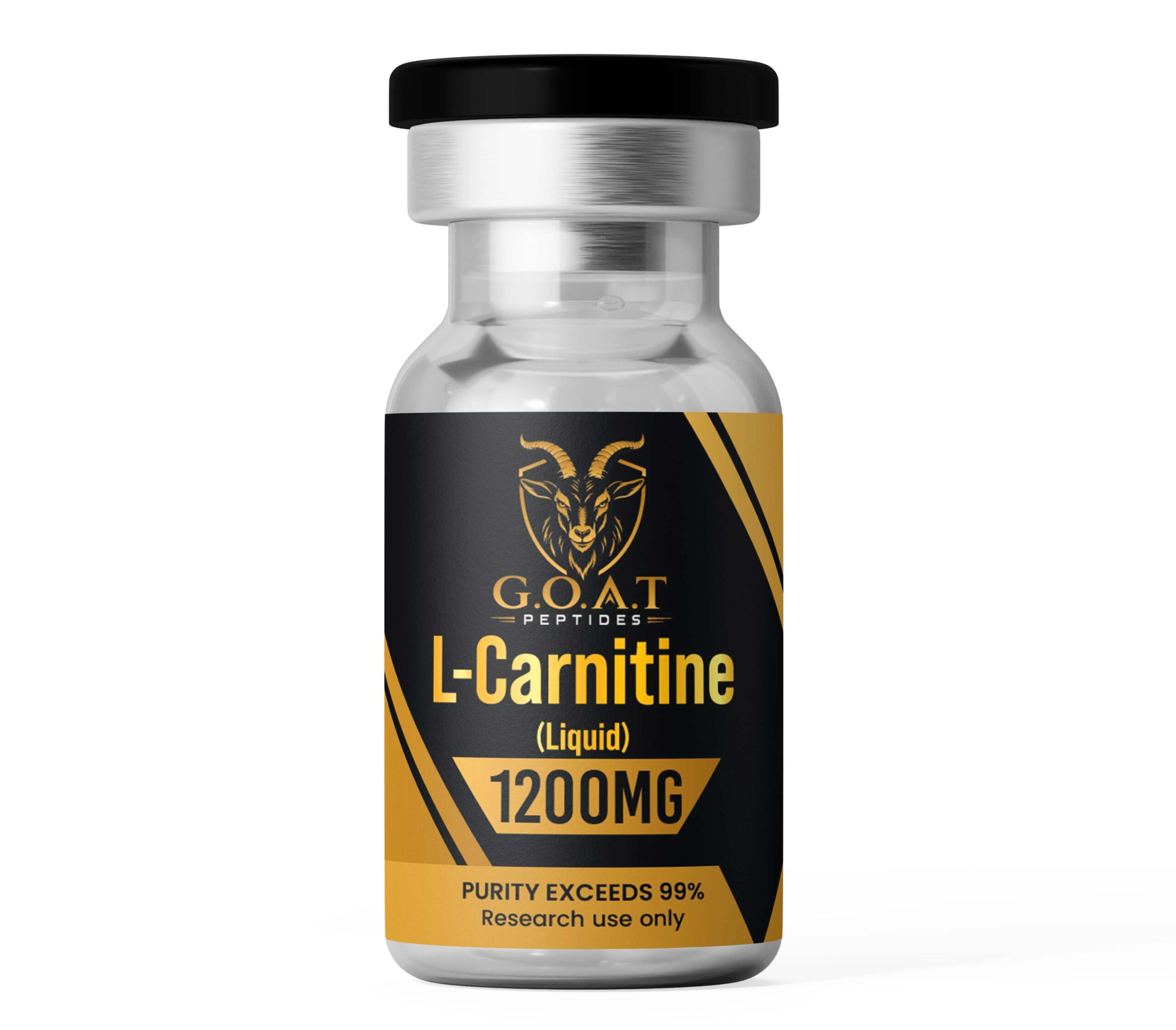
| L-Carnitine | Fatty acid transport into mitochondria | Amino acid derivative |
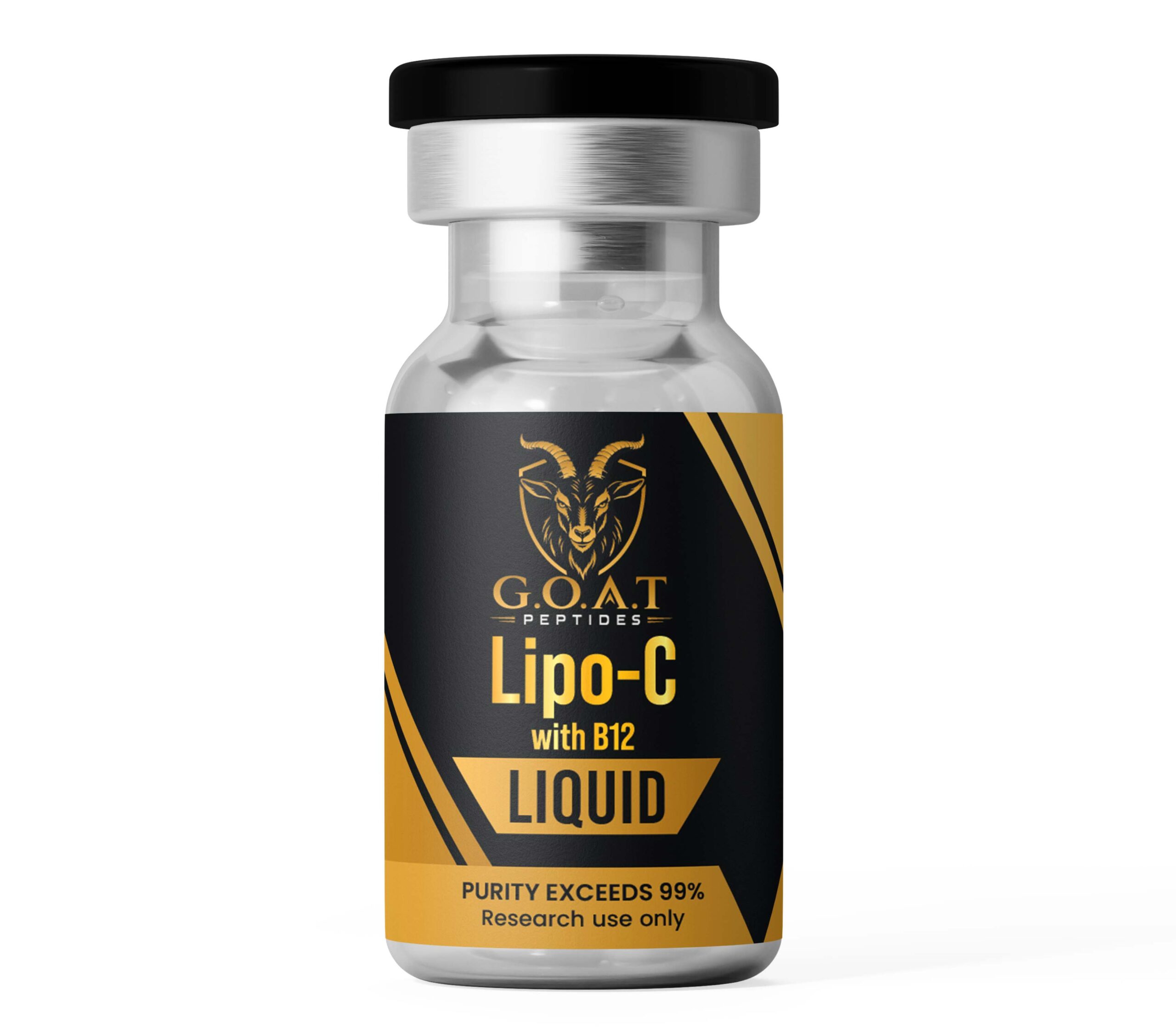
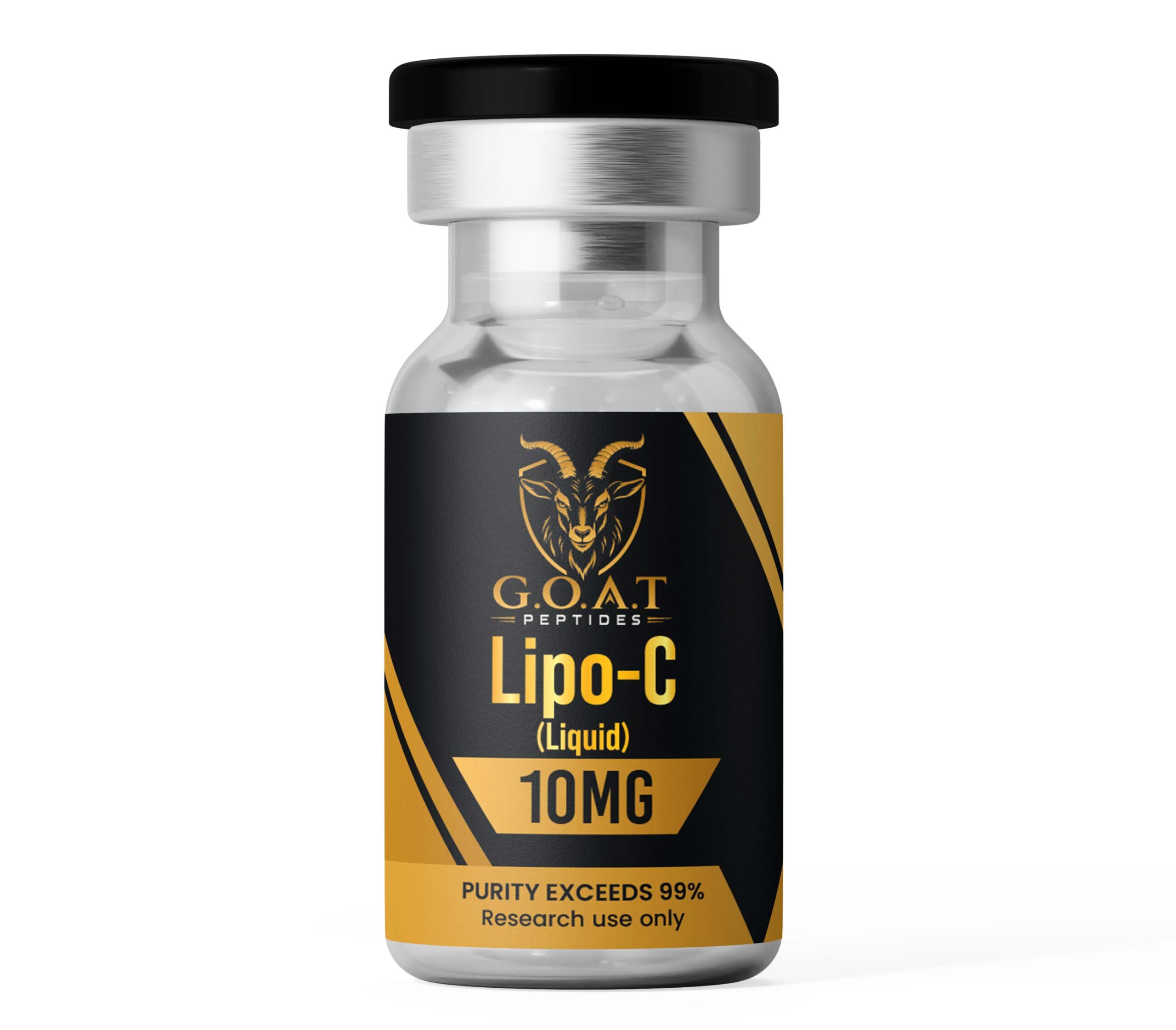
| Lipo-C / Lipo-C with B12 | Lipotropic nutrient research | Nutrient blend |
| Retatrutide | Triple incretin receptor agonism (GLP-1, GIP, glucagon) | Investigational synthetic peptide |
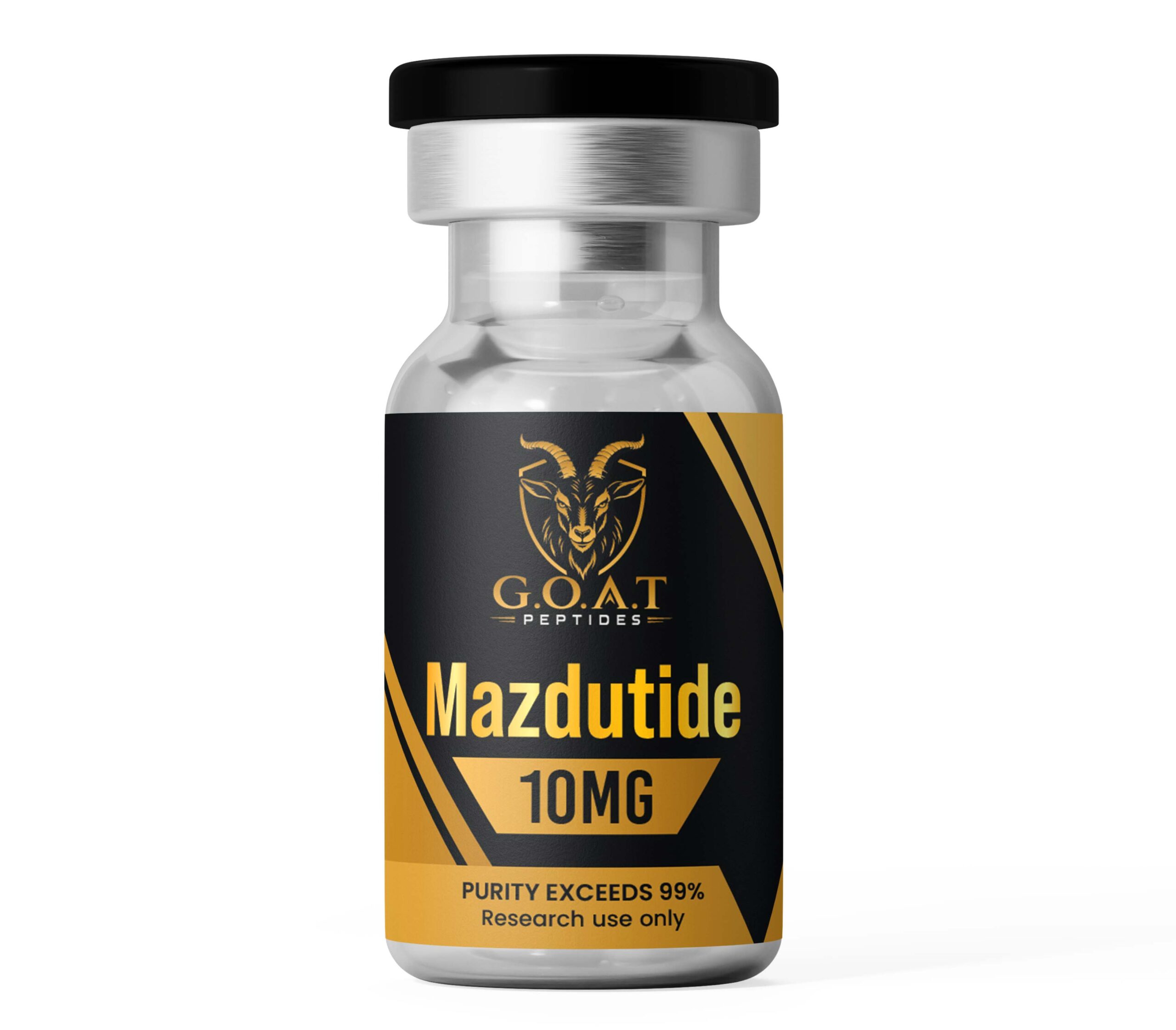
| Mazdutide | Dual GLP-1 and glucagon receptor agonism | Investigational synthetic analogue |
| Cagrilintide | Amylin receptor agonism, satiety signalling | Long-acting amylin analogue |
| Lemon bottle | Lipotropic blend research (localised fat) | Nutrient blend, composition varies by supplier |
Growth Hormone Fragment Research: HGH Fragment 176-191 and AOD-9604
Human growth hormone has a region near its C-terminal end, amino acids 176 to 191, that appeared in rodent studies to influence fat breakdown without GH's wider effects on growth. HGH Fragment 176-191 is a synthetic copy of that region. AOD-9604 is a modified version with one added amino acid. It was developed as an anti-obesity drug, but human trials did not show meaningful weight loss, and development for that use was stopped, which makes it a useful case study in how animal findings can fail to translate.
Mitochondrial Research: MOTS-c
MOTS-c is a 16-amino-acid peptide encoded in mitochondrial DNA rather than the cell nucleus, one of a small group of "mitochondrial-derived peptides." In mouse studies, it activated AMPK, a key cellular energy sensor, and was studied in relation to insulin sensitivity and diet-induced weight gain.
Enzyme Research: 5-Amino-1MQ
5-Amino-1MQ is a small molecule, not a peptide. It inhibits nicotinamide N-methyltransferase (NNMT), an enzyme found at high levels in fat tissue that affects cellular NAD+ and energy balance. Published research so far is mainly in mouse models of diet-induced obesity.
Fat Transport and Lipotropic Research: L-Carnitine and Lipo-C
L-carnitine carries long-chain fatty acids into the mitochondria, where they are broken down for energy. Without it, cells cannot burn those fats efficiently. Lipo-C products are lipotropic blends, a term for nutrients involved in fat processing in the liver. They typically contain methionine, inositol, choline, and L-carnitine, and one version adds vitamin B12. Check each product page for the exact composition.
Incretin and Lipotropic Research: Retatrutide, Mazdutide, Cagrilintide and Lemon Bottle
The newest compounds in this collection act on the gut–brain satiety system rather than on fat breakdown directly. Retatrutide is an investigational triple agonist at the GLP-1, GIP and glucagon receptors, studied for weight reduction. Mazdutide is a dual GLP-1 and glucagon agonist under development in China. Cagrilintide is a long-acting amylin analogue studied both alone and alongside semaglutide, where the combination is known as CagriSema. None of the three is a licensed medicine. Lemon bottle is different again: a lipotropic blend sold for localised fat reduction whose exact composition varies between suppliers, with no peer-reviewed clinical evidence behind it, so treat the contents of any given vial as supplier-defined. All are supplied for laboratory research only.
Testing, Storage & Dispatch
Lyophilised peptides in this collection are batch-tested by HPLC and mass spectrometry, with Certificates of Analysis on each product page. Store them at −20°C before reconstitution and at 2–8°C after. Liquid products are supplied ready-made, so follow the storage instructions on their labels. Orders are dispatched from the UK or USA depending on fulfilment location, and most are processed within 1–3 business days.
Research use only: These products are not medicines, supplements, or weight-loss treatments. They are not approved for human or veterinary use and are not for human consumption. Laboratory and animal findings do not show weight loss or safety in humans.
If you are planning bench work, the diluents and handling for these compounds are covered in our reconstitution guide, and body-composition research overlaps with muscle gain and fitness.
Frequently Asked Questions
What is the difference between AOD-9604 and HGH Fragment 176-191?
HGH Fragment 176-191 is a synthetic copy of amino acids 176 to 191 of human growth hormone. AOD-9604 is a modified version of that fragment with one added amino acid, developed separately as a drug candidate.
Did AOD-9604 work as a weight-loss drug?
No. It was developed as an anti-obesity drug, but human trials did not show meaningful weight loss and development for that purpose was stopped.
What is MOTS-c?
MOTS-c is a 16-amino-acid peptide encoded in mitochondrial DNA. Mouse studies have linked it to AMPK activation and insulin sensitivity, but human evidence is limited.
Is 5-Amino-1MQ a peptide?
No. It is a small molecule that inhibits the enzyme NNMT, which is found at high levels in fat tissue. Research so far is mainly in mice.
What does L-carnitine do in metabolism?
L-carnitine transports long-chain fatty acids into the mitochondria so they can be broken down for energy. It is studied in fat metabolism and energy research.
What is in Lipo-C?
Lipo-C is a lipotropic blend, typically containing methionine, inositol, choline, and L-carnitine. One version also contains vitamin B12. Check the product page for the exact composition.
Are metabolic research compounds approved for weight loss?
No. These products are sold for laboratory research only. They are not approved weight-loss treatments and are not for human consumption.
#