
Compounds in This Collection by Research Area
The immune system relies on chemical messages to decide when to attack, when to tolerate, and when to stand down. The peptides in this collection are studied as part of that messaging, at two main stages: building immune cells, and resolving inflammation once a response is underway.
| Compound | Research focus | Origin | Evidence base |
|---|---|---|---|
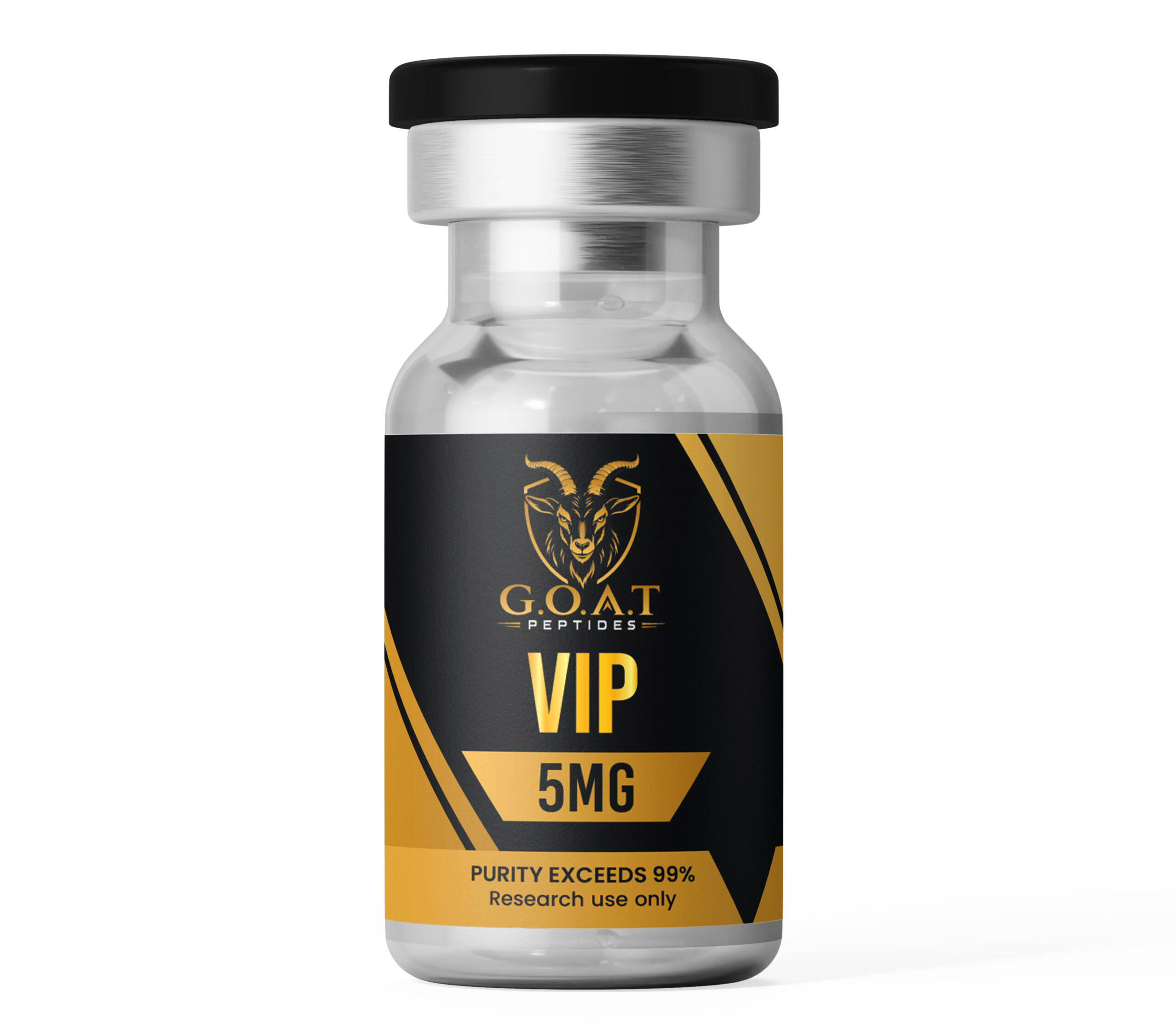
| VIP | Inflammation regulation, VPAC receptors | Neuropeptide (28 amino acids) | Extensive preclinical; clinical as aviptadil |
| Thymosin Alpha 1 | T-cell maturation, dendritic cell signalling | Thymic peptide (28 amino acids) | Clinical, licensed in some countries outside UK/US |
| Thymalin | Thymic function, immune aging | Thymus-derived polypeptide complex | Mainly Russian clinical literature |
| KPV | Intestinal and skin inflammation models | α-MSH C-terminal tripeptide | Animal and cell models |
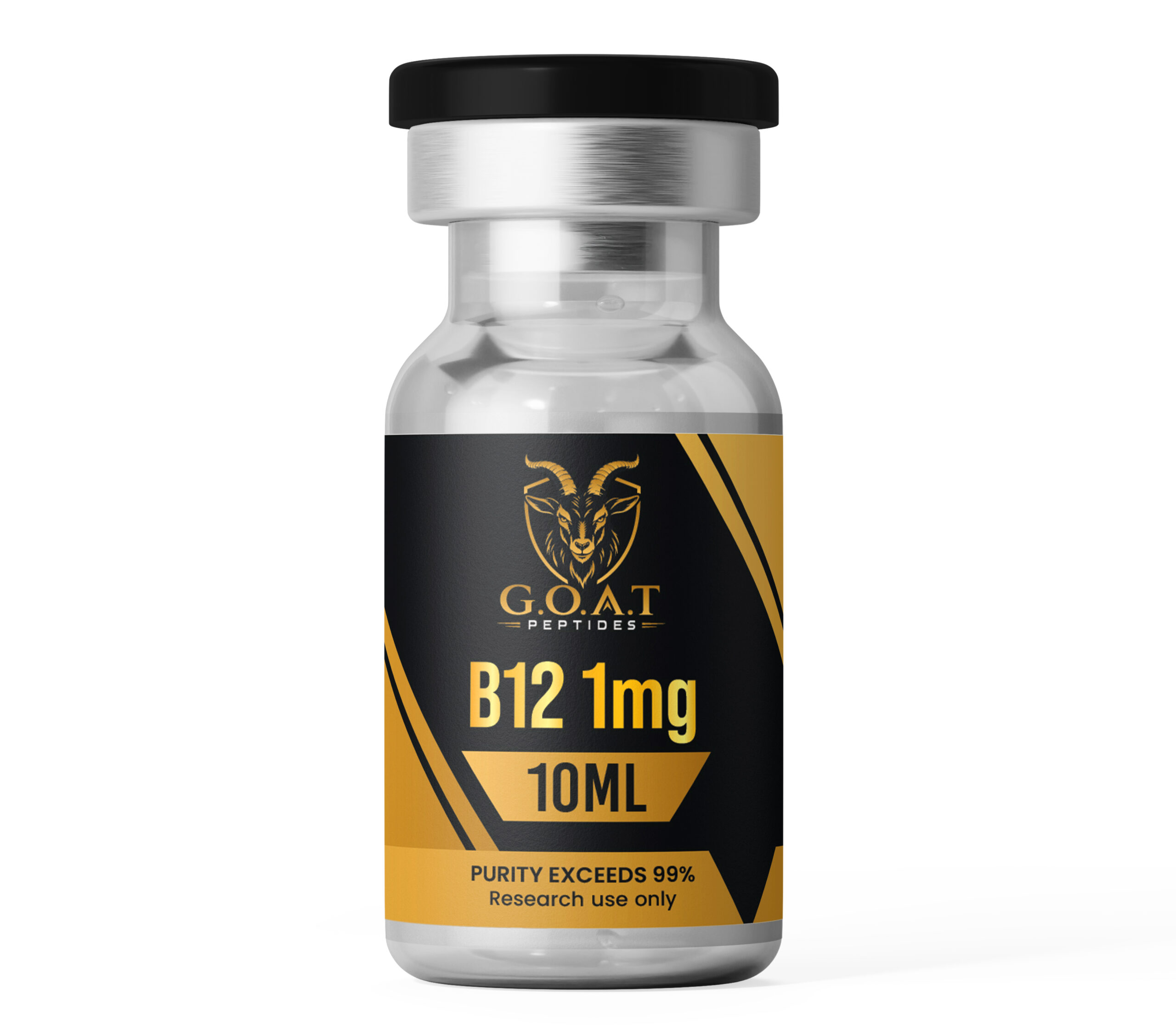
| B12 (methylcobalamin) | Laboratory reference vitamin; haematology and neurology research | Cobalamin, not a peptide | Extensive clinical literature |
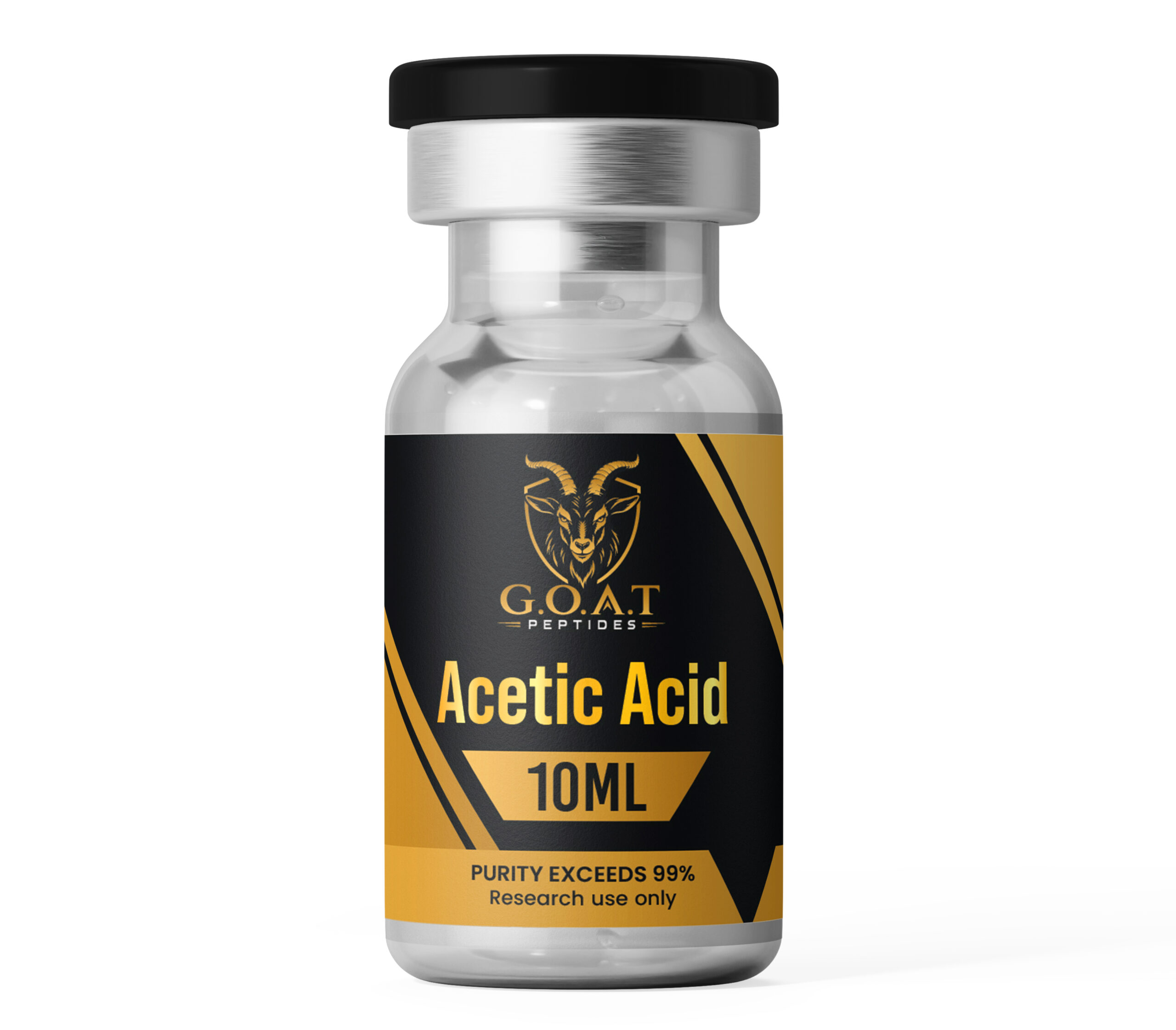
| Acetic acid | Dilute acid diluent for peptide reconstitution and assays | Small-molecule acid, not a peptide | Standard laboratory reagent |
Thymic Peptide Research: Thymosin Alpha 1 and Thymalin
T-cells get their name from the thymus, the gland where they mature, and that process is directed partly by peptides the thymus produces. Thymosin Alpha 1 is one of them. In immunology research, it is studied for its effects on T-cell differentiation and on dendritic cells, the "sentinel" cells that present threats to the rest of the immune system. It is licensed as a medicine in some countries outside the UK and US. Thymalin is a complex of polypeptides extracted from thymus tissue, studied mainly in Russian research on restoring thymic function.
Inflammation Research: VIP and KPV
Inflammation needs an off switch, and both of these peptides are studied as part of it. Vasoactive intestinal peptide (VIP) is a neuropeptide found in the gut, lungs, brain, and on immune cells. Through its VPAC1 and VPAC2 receptors, it has been shown in research to dampen inflammatory signalling and support regulatory T-cells. A synthetic form, aviptadil, has been investigated clinically. KPV is just three amino acids long (lysine-proline-valine), taken from the tail end of α-melanocyte-stimulating hormone. It is studied in models of intestinal and skin inflammation, where it is absorbed into cells through the PepT1 transporter.
Support Reagents: Vitamin B12 and Acetic Acid
Two items in this collection are laboratory reagents rather than immune-modulating peptides, and they are grouped here as part of our catalogue. Vitamin B12 (methylcobalamin) is supplied as a 1 mg/mL solution and is used as a reference standard in haematology and neurology research; it is not an immunomodulator. Acetic acid is used to prepare dilute acid diluents for peptides that do not dissolve cleanly in plain water, and appears in assays where a mild acid is required. Neither is a medicine, and both are supplied for laboratory use only. If you are following a reconstitution protocol, see the bacteriostatic water and diluent guide.
Batch Testing & Handling
Every batch is verified by HPLC and mass spectrometry, and its Certificate of Analysis can be downloaded from the product page. Keep lyophilised vials at −20°C until use, then store reconstituted solutions at 2–8°C. Most compounds here dissolve readily in bacteriostatic water. Orders are dispatched from the UK or USA depending on fulfilment location, and most are processed within 1–3 business days.
Research use only: These compounds are not medicines or supplements and are not approved for human or veterinary use. Laboratory findings do not show that they strengthen immunity, prevent illness, or treat any condition in humans.
Thymosin Alpha 1 and Thymalin are also listed in the anti aging collection for their thymic and immune-ageing angle, and LL-37 sits in tissue repair for its wound-healing research.
Frequently Asked Questions
What is VIP studied for in immunology?
VIP (vasoactive intestinal peptide) is studied as a regulator of inflammation. Through its VPAC1 and VPAC2 receptors, it has been shown in research to reduce inflammatory signalling and support regulatory T-cells.
Is VIP the same as aviptadil?
Aviptadil is the drug name for synthetic VIP, which has been investigated in clinical trials. The product supplied here is research-grade material, not a licensed medicine.
What does the thymus have to do with these peptides?
The thymus is where T-cells mature, guided partly by peptides it produces. Thymosin Alpha 1 is one of these peptides, and Thymalin is a polypeptide complex extracted from thymus tissue.
What is KPV?
KPV is a tripeptide (lysine-proline-valine) from the end of α-melanocyte-stimulating hormone. It is studied in animal and cell models of intestinal and skin inflammation.
Why are Thymosin Alpha 1 and Thymalin also in the Anti-Aging collection?
The thymus shrinks with age, and that decline is linked to weaker immune responses in older age. These peptides are therefore studied in both immunology and aging research.
Can immune research peptides strengthen immunity or prevent illness?
No. These products are sold for laboratory research only. They are not approved to strengthen immunity, prevent illness, or treat any condition, and they are not for human consumption.
#