Compounds in This Collection by Research Area
Neuroscience peptide research rarely targets "cognition" directly. Instead, it studies the systems behind it: growth factors that keep neurons alive, receptors that shape stress and mood, and signalling molecules that regulate sleep and behaviour. Here is where each compound fits.
| Compound | Research area | Origin/type | Evidence base |
|---|---|---|---|
| P21 | Neurogenesis, neurotrophic signalling | CNTF-derived peptide | Animal models |
| Cerebrolysin | Neurotrophic activity, neuronal recovery | Porcine brain-derived peptide mixture | Clinical trials (outside UK) |
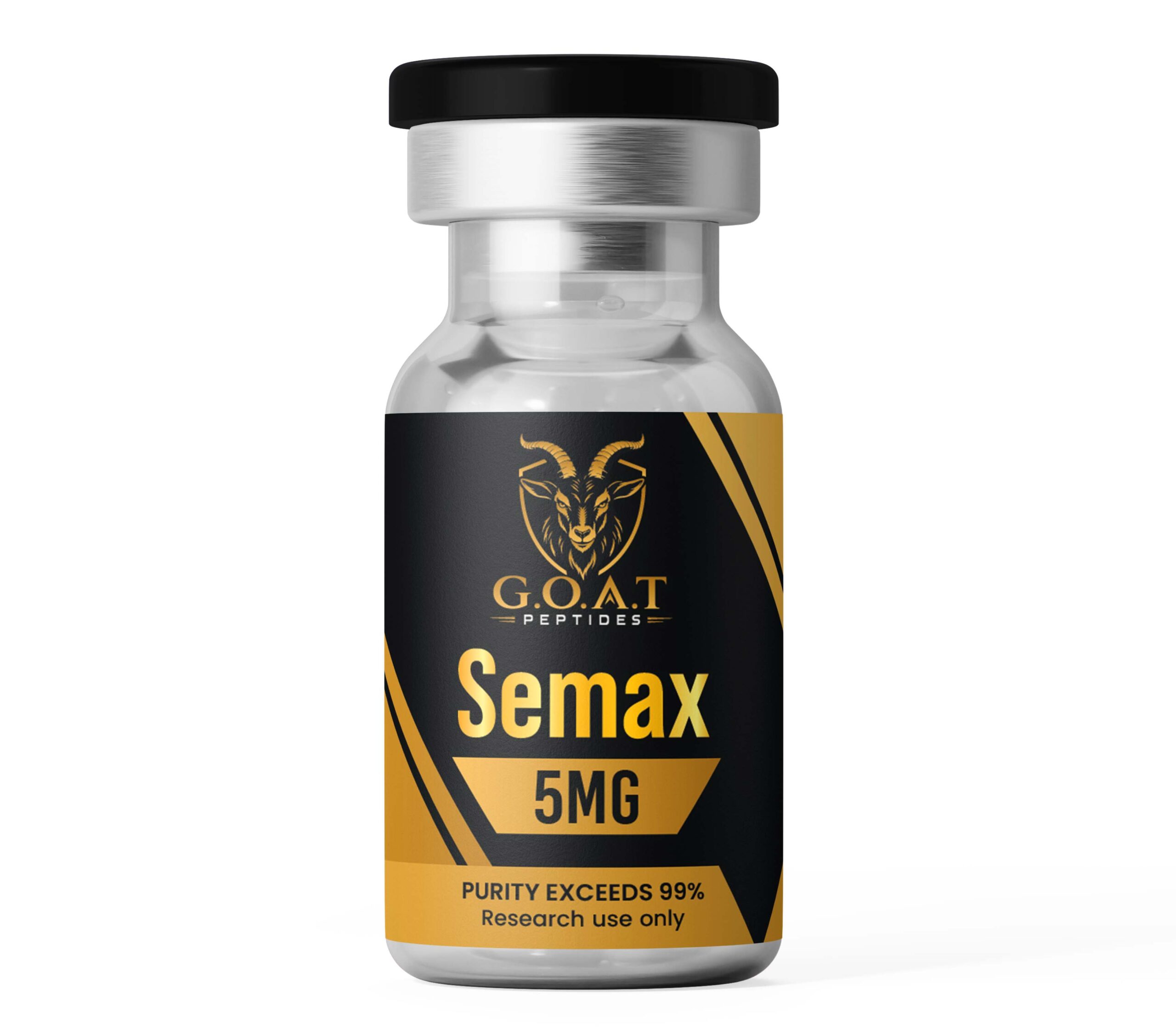
| Semax | BDNF expression, neuroprotection | ACTH(4–10) analogue heptapeptide | Animal models, some clinical (Russia) |
| Adamax | Semax analogue research | Modified Semax analogue | Very limited published data |
| Selank | Anxiety and stress models | Tuftsin analogue heptapeptide | Animal models, some clinical (Russia) |
| PE-22-28 | TREK-1 channel, mood models | Shortened spadin analogue | Animal models |
| DSIP | Sleep regulation | Nonapeptide | Mixed, mechanism unclear |
| Oxytocin acetate | Social behaviour, neuroendocrine signalling | Hypothalamic nonapeptide | Extensive |
| Kisspetin-10 | Kisspeptin (KISS1R) signalling, GnRH neuroendocrine research | KISS1-derived decapeptide | Animal models, human physiology studies |
| PT-141 | Melanocortin (MC4R) signalling, sexual behaviour research | Cyclic α-MSH analogue (bremelanotide) | Clinical studies in sexual medicine |
| Gonadorelin acetate | GnRH signalling, gonadotrophin release | Synthetic GnRH (LHRH) decapeptide | Extensive physiology literature |
| HCG | Gonadal signalling, Leydig cell research | Glycoprotein hormone (not a peptide) | Extensive clinical literature |
| HMG | Gonadotrophin research (FSH and LH activity) | Menopausal gonadotrophin preparation | Clinical use in fertility medicine |
Neurotrophic Research: P21 and Cerebrolysin
Neurotrophic factors are proteins that support neuron survival, growth, and the formation of new connections. P21 (also written P021) is a small peptide derived from ciliary neurotrophic factor (CNTF), modified for greater stability. It has been studied in mouse models of neurogenesis and Alzheimer's-type pathology. Cerebrolysin takes a different approach: it's a mixture of low-molecular-weight peptides and amino acids purified from porcine brain proteins. It has been investigated in clinical trials on stroke recovery and dementia in countries where it is licensed.
Regulatory Peptide Research: Semax, Adamax and Selank
Semax and Selank were both developed in Russia as synthetic heptapeptides that end in the stabilising sequence Pro-Gly-Pro. Semax is an analogue of the ACTH(4–10) fragment and is best known in research for its effects on brain-derived neurotrophic factor (BDNF) expression in rodent studies. Selank is an analogue of tuftsin, a short immune-related peptide, and is studied in anxiety and stress models. Adamax is a newer, modified analogue of Semax. Very little peer-reviewed research exists, so treat it as an exploratory compound.
Ion Channel Research: PE-22-28
PE-22-28 is a shortened, modified version of spadin, a peptide derived from the sortilin protein. It blocks the TREK-1 potassium channel, which regulates neuronal excitability. In mouse studies, it was developed as a more stable spadin analogue and tested in depression-related behavioural models.
Sleep and Social Behaviour Research: DSIP and Oxytocin
Delta sleep-inducing peptide (DSIP) is a nine-amino-acid peptide first isolated in 1977 from rabbits during induced sleep. Decades later, its exact role and receptor remain unclear, which makes it an open research question rather than a settled one. Oxytocin is a nine-amino-acid hypothalamic hormone and one of the most studied neuropeptides, used in research on social bonding, behaviour, and neuroendocrine signalling. It is supplied here as the acetate salt.
Kisspeptin Signalling Research: Kisspetin-10
Kisspetin-10 (commonly written kisspeptin-10) is the ten-amino-acid fragment of kisspeptin and the shortest sequence that still activates the KISS1R receptor, also known as GPR54. It is studied mainly as a GnRH secretagogue in reproductive neuroendocrinology, where it is one of the best-characterised links between the hypothalamus and gonadotrophin release. Because KISS1R is also expressed in limbic and cortical regions, kisspeptin signalling appears in research on sexual behaviour, mood and neuroendocrine integration. It is supplied lyophilised, and the batch Certificate of Analysis is available on the product page.
Neuroendocrine and Reproductive Research: PT-141, Gonadorelin, HCG and HMG
Four compounds in this collection are hormonal rather than cognitive research peptides, and they are grouped here as part of our catalogue. PT-141 (bremelanotide) is a cyclic melanocortin analogue studied at the MC4R receptor in sexual behaviour research; it began as a tanning project before being developed in sexual medicine. Gonadorelin acetate is synthetic GnRH, the decapeptide that drives pulsatile gonadotrophin release from the pituitary. HCG is a glycoprotein hormone rather than a peptide, studied for its action on Leydig cells and gonadal steroidogenesis. HMG is a menopausal gonadotrophin preparation with FSH and LH activity, used in follicular development research. All are supplied for laboratory research only, and none is approved for human use.
Testing, Handling & Dispatch
Each batch is checked for identity and purity by HPLC and mass spectrometry before release, and the batch Certificate of Analysis can be downloaded from each product page. Compounds arrive as lyophilised powder. For long-term storage, keep vials at −20°C, sealed and away from light. Once reconstituted, solutions should be refrigerated at 2–8°C. See our reconstitution guide for diluent options and handling. Orders are dispatched from the UK or USA depending on fulfilment location, and most are processed within 1–3 business days.
Research use only: These compounds are not medicines or supplements, are not approved for human or veterinary use, and are not for human consumption. Animal and laboratory findings do not show effects on memory, focus, mood, or sleep in humans.
Several compounds here overlap with other collections: Epithalon and Pinealon are covered under anti aging, and Selank also appears in beauty and skin.
Frequently Asked Questions
Are these nootropic peptides?
They are often searched for as "nootropic peptides," but that term implies proven cognitive enhancement in humans, which these compounds don't have. They are research peptides studied in neuroscience, mostly in animal and cell models.
What is the difference between Semax and Selank?
Both are Russian-developed synthetic heptapeptides ending in Pro-Gly-Pro. Semax is based on a fragment of ACTH and is studied mainly in BDNF and neuroprotection research. Selank is based on tuftsin and is studied mainly in anxiety and stress models.
What is the difference between Semax and Adamax?
Adamax is a newer, modified analogue of Semax. Semax has decades of published research, while Adamax has very little peer-reviewed data so far.
What is P21 derived from?
P21 is derived from ciliary neurotrophic factor (CNTF), a protein that supports neuron survival. It was modified for greater stability and has been studied in mouse models of neurogenesis and Alzheimer's-type pathology.
What is Cerebrolysin?
Cerebrolysin is a mixture of low-molecular-weight peptides and amino acids purified from porcine brain proteins. It has been studied clinically in stroke and dementia in countries where it is licensed, but it is not licensed in the UK.
What is DSIP studied for?
DSIP is studied in sleep research. It was first isolated in 1977 from rabbits during induced sleep, but its exact biological role and receptor are still not established.
Are cognitive research peptides approved for human use?
No. These products are sold for laboratory research only. They are not approved to treat or enhance memory, focus, mood, or sleep, and they are not for human consumption.
#