Peptides in This Collection by Research Area
Skin and hair research looks at how cells in the skin produce structural proteins, pigment, and hair, and how signalling molecules regulate those processes. The compounds in this collection fall into three research areas.
| Compound | Research area | Type |
|---|---|---|
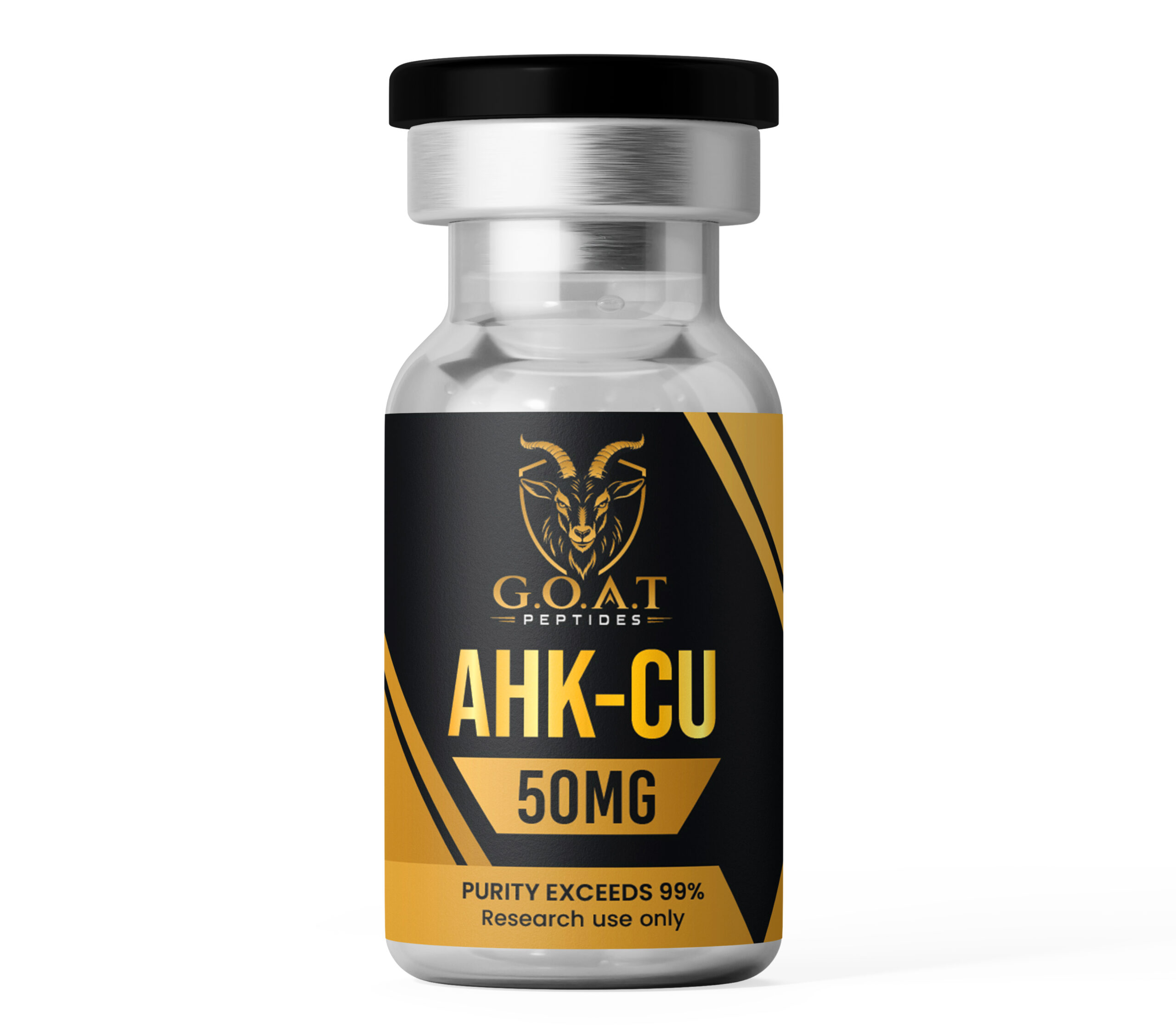
| AHK-Cu | Hair follicle and fibroblast research | Copper tripeptide complex (Ala-His-Lys) |
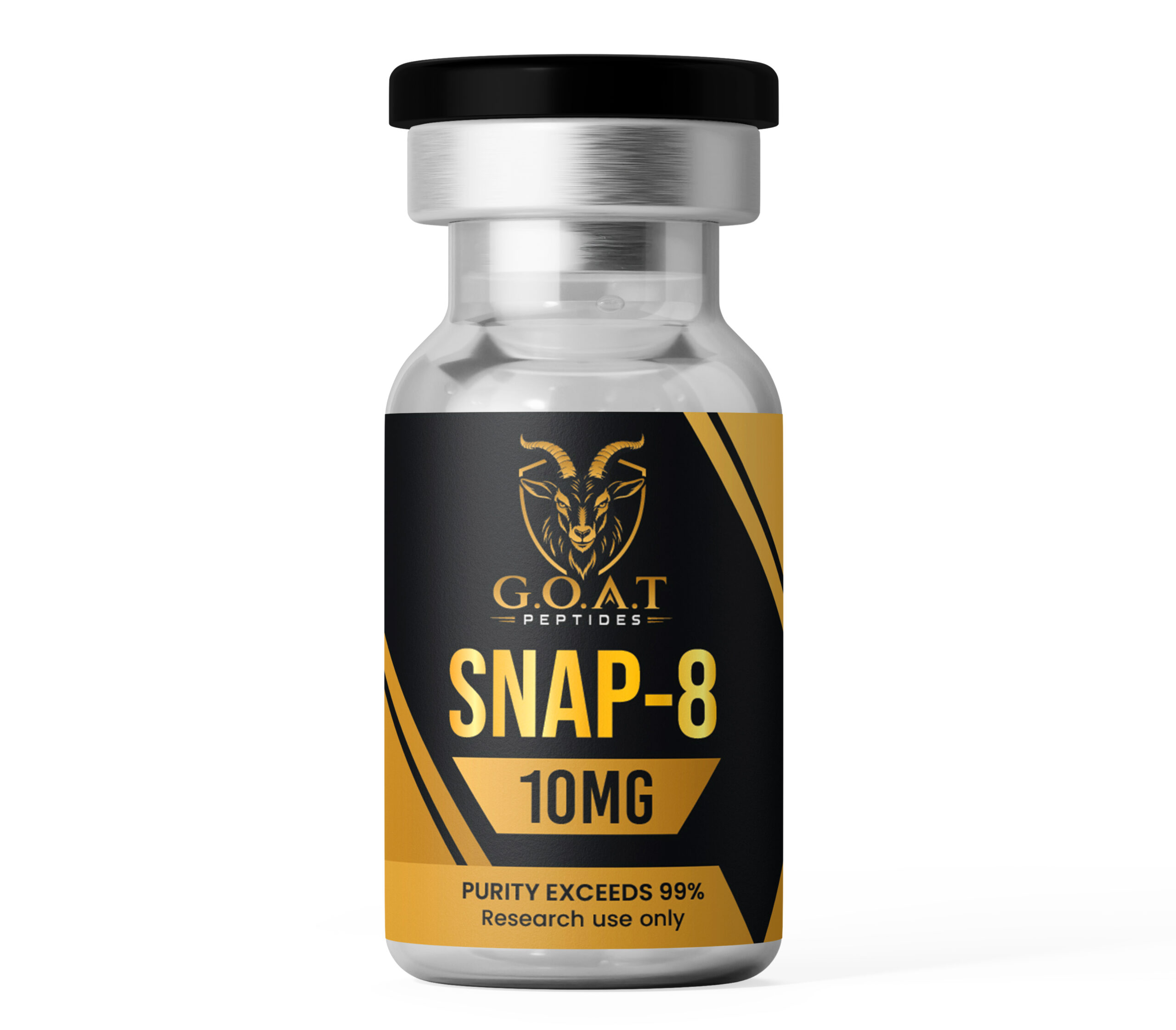
| Snap-8 | Neuromuscular signalling, cosmetic science | Acetyl octapeptide |
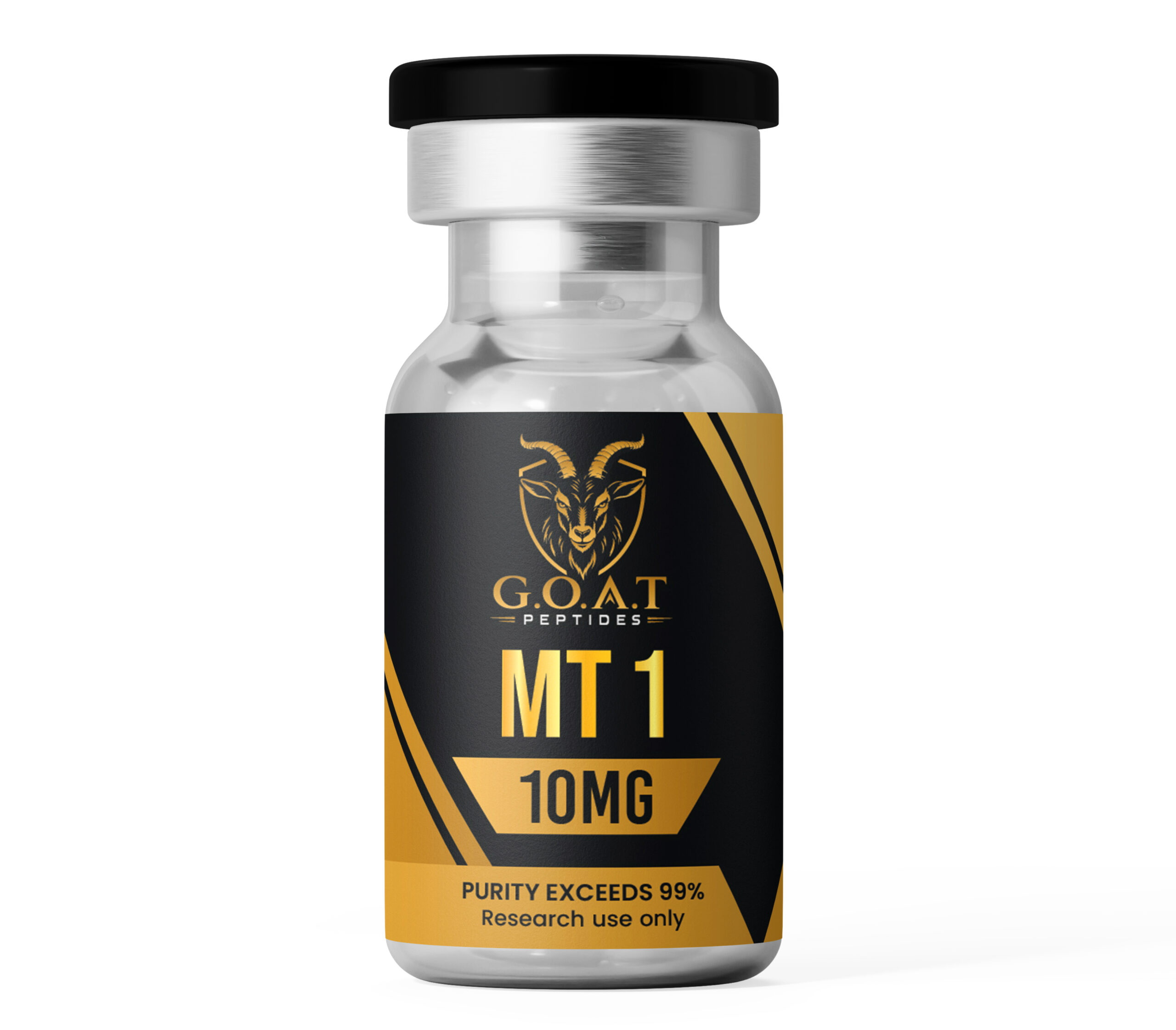
| MT1 | Pigmentation, MC1 receptor research | Linear α-MSH analogue |
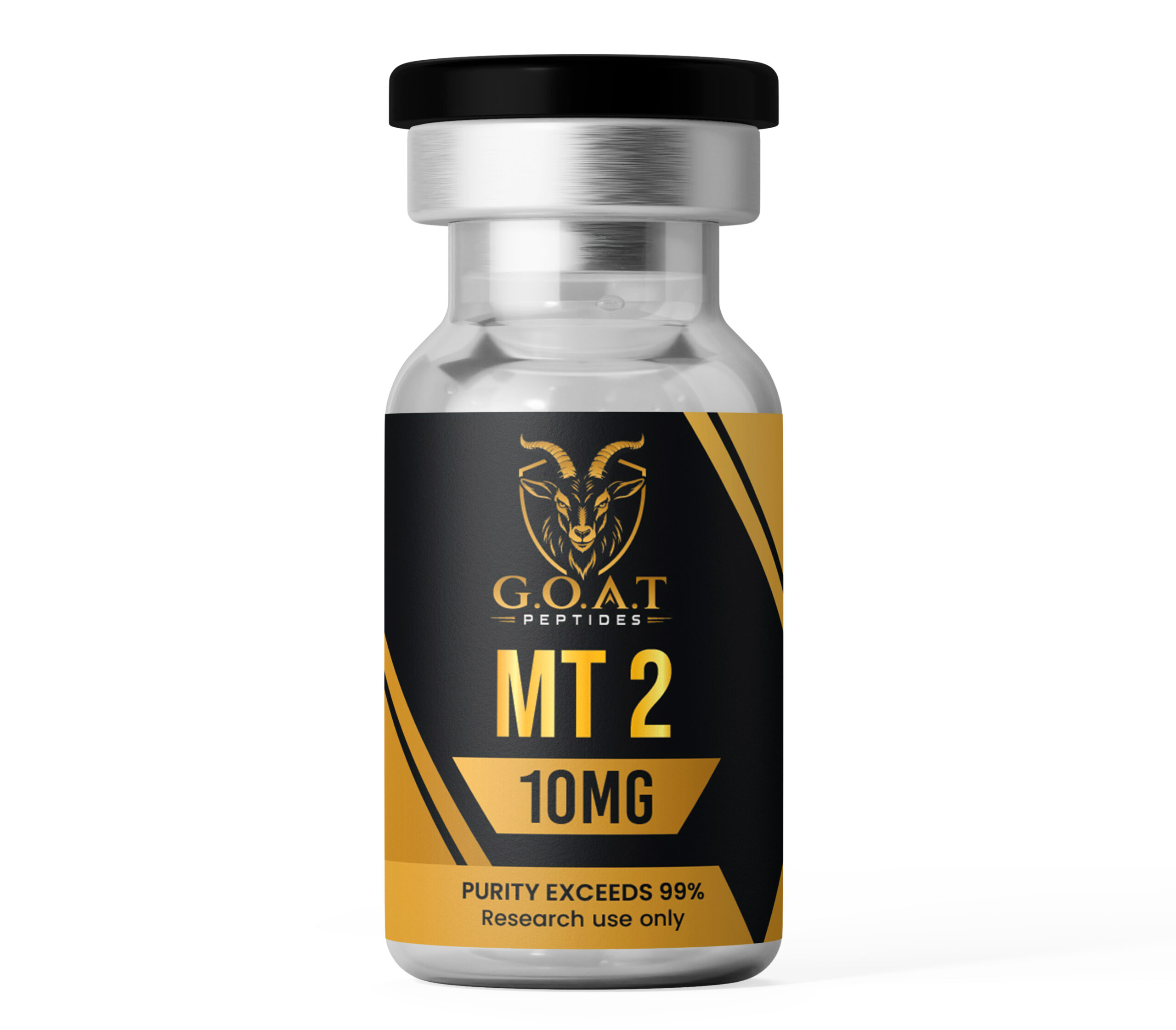
| MT2 | Melanocortin receptor research | Cyclic α-MSH analogue |
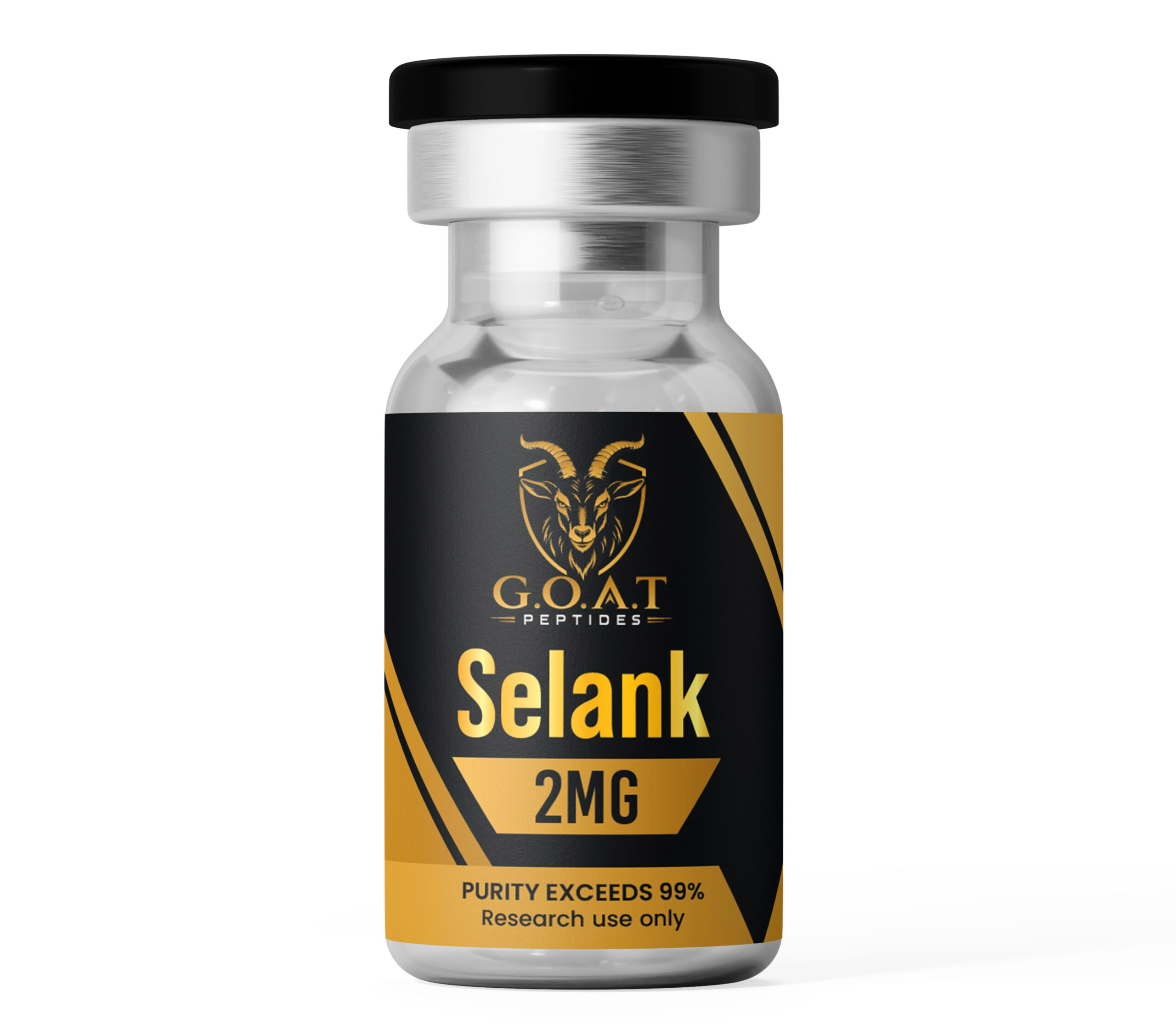
| Selank | Stress-axis research | Tuftsin analogue heptapeptide |
Copper Peptide Research: AHK-Cu
AHK-Cu is a complex of copper with the tripeptide alanine-histidine-lysine. It is closely related to the better-known GHK-Cu. In vitro studies have used it in research on dermal papilla cells, the cells at the base of the hair follicle that regulate the hair growth cycle, and on skin fibroblasts, which produce collagen and other structural proteins.
Expression Line Research: Snap-8
Snap-8 (acetyl octapeptide-3) is an extended version of the hexapeptide Argireline. It is designed to mimic part of the SNAP-25 protein, which helps form the SNARE complex that controls neurotransmitter release at nerve endings. In cosmetic science it is studied in formulation research on muscle-contraction signalling and expression lines.
Pigmentation and Melanocortin Research: MT1 and MT2
Both peptides are synthetic analogues of alpha-melanocyte-stimulating hormone (α-MSH), the natural hormone that signals pigment-producing cells (melanocytes) through melanocortin receptors. MT1 is a linear analogue that acts mainly on the MC1 receptor and is the research name for afamelanotide, which has been studied clinically in a rare light-sensitivity disorder. MT2 is a shorter cyclic analogue that binds several melanocortin receptors less selectively and is used in receptor research. MT2 is not approved for any human use.
Stress-Axis Research: Selank
Selank is a synthetic heptapeptide analogue of tuftsin, the immunomodulatory fragment of IgG. It is studied mainly in anxiety and stress models, where research focuses on GABAergic signalling and enkephalin metabolism. It appears in a skin collection because stress-axis activity — cortisol and the HPA axis — is a recognised variable in studies of skin barrier function, wound healing and inflammatory skin models. It is not a cosmetic ingredient, and there is no evidence that it affects human skin. Supplied lyophilised for laboratory research only; the cognitive function collection carries the fuller research summary.
Quality, Testing & Storage
Every batch is independently tested for identity and purity by HPLC and mass spectrometry before release, and a batch-specific Certificate of Analysis is available on each product page. All compounds are supplied as lyophilised (freeze-dried) powder. Lyophilised peptides are generally stored at −20°C, protected from light and moisture, and refrigerated at 2–8°C once reconstituted. Orders are dispatched from the UK or USA depending on fulfilment location, and most are processed within 1–3 business days.
Research use only: These products are not cosmetics or medicines, are not approved for human or veterinary use, and are not for human consumption or tanning. Laboratory findings do not demonstrate cosmetic effects or safety in humans.
Selank also appears in our cognitive function collection, where its stress and anxiety research is set out in full, and the copper peptides used in skin research are covered under tissue repair.
Frequently Asked Questions
What are skin and hair research peptides?
They are peptides studied in laboratory research on skin and hair biology, such as collagen production, hair follicle activity, pigmentation, and nerve-to-muscle signalling. They are research materials, not cosmetic or skincare products.
What is the difference between MT1 and MT2?
Both are synthetic analogues of the hormone α-MSH. MT1 is a linear peptide that acts mainly on the MC1 receptor. MT2 is a cyclic peptide that binds several melanocortin receptors less selectively.
Is MT1 the same as afamelanotide?
Yes. MT1 is the research name for the compound developed clinically as afamelanotide. The product supplied here is a research-grade material, not a licensed medicine.
What is the difference between AHK-Cu and GHK-Cu?
Both are copper complexes of tripeptides. GHK-Cu uses glycine-histidine-lysine and has the larger body of research. AHK-Cu uses alanine-histidine-lysine and has mainly been studied in hair follicle cell research.
How is Snap-8 related to Argireline?
Snap-8 is an extended version of the Argireline hexapeptide, with two extra amino acids. Both are studied as mimics of part of the SNAP-25 protein involved in neurotransmitter release.
What purity are your skin research peptides?
Every batch is independently verified to ≥99% purity by HPLC and mass spectrometry before release. A batch-specific Certificate of Analysis can be downloaded from each product page.
Are these peptides approved for cosmetic use or tanning?
No. These products are sold for laboratory research only. They are not approved as cosmetics, tanning products, or medicines, and they are not for human use.
#